
It’s hard to believe that it’s already October! The leaves are golden and the birds are heading south in huge numbers. I was able to attend one of the Sunset Goose Flights at FortWhyte Alive last week and it was quite magical to watch thousands of geese fly in to spend the night on the lakes.
Even though it’s now been over a month since the Chimney Swifts have left Manitoba, we’ve still been busy wrapping up this monitoring season. In September, we joined various MCSI volunteers and Steering Committee members for chimney clean-outs at Lower Fort Garry, the Selkirk Mental Health Centre, and St Adolphe.
Usually when I tell my non-Swifty friends that I’m doing a chimney cleanout, they picture a chimney sweep. Specifically, they picture Dick Van Dyke in Mary Poppins and start singing “Chim Chim Cher-ee”. What we do at MCSI is a little different.
When we conduct a chimney cleanout, we’re accessing the chimney from the bottom, usually through a cleanout door. We’re looking for materials like fallen nests, eggshells, and bird carcasses to help us collect more pieces of the puzzle of what went on inside the chimney during the breeding season. We combine this information with our volunteer monitoring data and camera trap images to try to get a full picture of nesting success inside the chimney.
Over the last couple weeks, the MCSI team completed cleanouts at 10 different chimneys or Towers surrounding Winnipeg, starting at Lower Fort Garry.
Lower Fort Garry
Men’s House
The MCSI team was joined by Steering Committee Member Joanne, and volunteers Gerald and Brittany on Sept 14 to clean out two Lower Fort Garry chimneys. Starting with the Men’s House, we removed the insulation at the bottom of the chimney and found fragments of at least four hatched eggs. There were a few twigs, but the nest hadn’t fallen to the bottom of the chimney, meaning it’s still stuck on the inside wall. With the hatched eggs, no carcases, and observations of fledglings from monitors, we can confirm that this nesting attempt was a success.
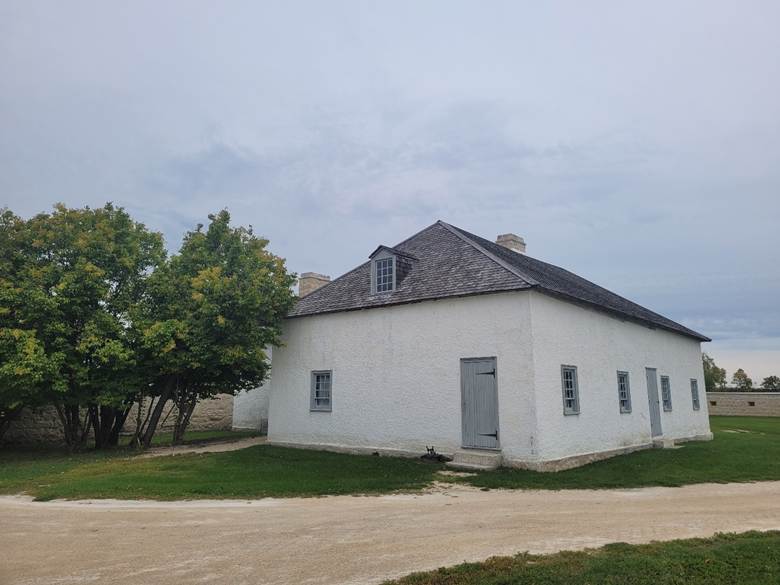
Figure 1. Men’s House from the outside. Photo courtesy of Gibson Rieger.
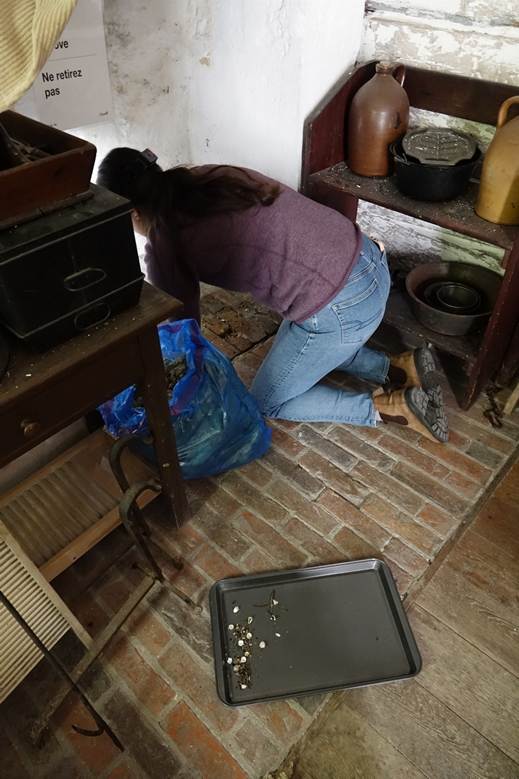
Figure 2. Program Coordinator Mackenzie cleaning out the Men’s House chimney, with eggshell fragments on the baking sheet. Photo courtesy of Brooke Bell.
Furloft
The Furloft chimney has a history of nest slippage, and if you’ve been following along with the blogs this summer, you’ll remember that Tim and Joanne had to carry out a rescue mission back in August when this year’s nest fell from the wall. At the time, Tim managed to stuff three young swifts into one of Rob’s artificial nests placed at the bottom of the chimney. During a monitoring session the next day, Gerald confirmed that the parents were still feeding, and things seemed to progress as they should. By the end of August, feeding was still ongoing, and fledglings hadn’t yet been spotted outside the chimney. Then, during monitoring sessions on the 1st and 2nd of September, there were no swifts seen interacting with the chimney at all. We assumed that we had missing the fledging, and that the swifts had left to start migration pretty much as soon as the young could fly, but it wasn’t confirmed that the nest had been a success yet.
When we opened up the chimney, we found one dead chick, which likely died shortly after the rescue mission. But with only one dead bird at the bottom, that meant that the other two chicks survived and were on their way south with their parents. We also found not one, but two nests, and the eggshell fragments from four hatched eggs. Overall, it was a success story at this chimney despite the fallen nest.
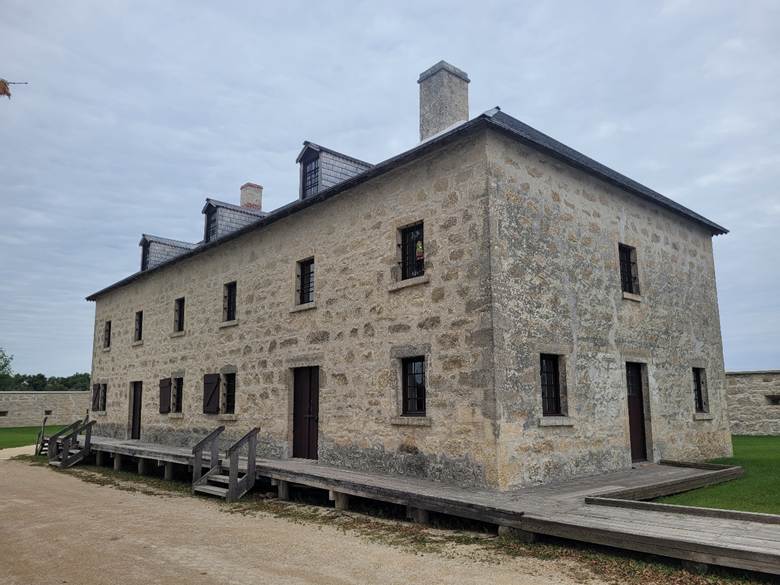
Figure 3. Lower Fort Garry Furloft. Photo courtesy of Gibson Rieger.
Once we finished our job with the cleanouts, we spent a few minutes watching some other birds around the Fort. We saw an adult Barn Swallow swoop in under the eaves of the Big House to feed young who were still in the nest, then watched as a large group of Sandhill Cranes flew overhead. Despite the young Barn Swallows still feeding, it certainly was feeling like fall at the Fort.
A huge thank you to Gerald and Brittany for monitoring at the Fort all season long and for joining us at the cleanouts!
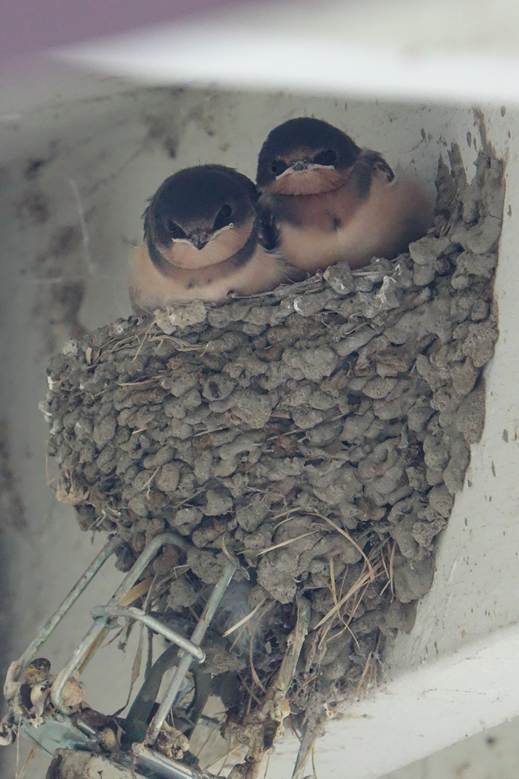
Figure 4. Young Barn Swallows in their nest at the Big House. Photo courtesy of Brooke Bell.
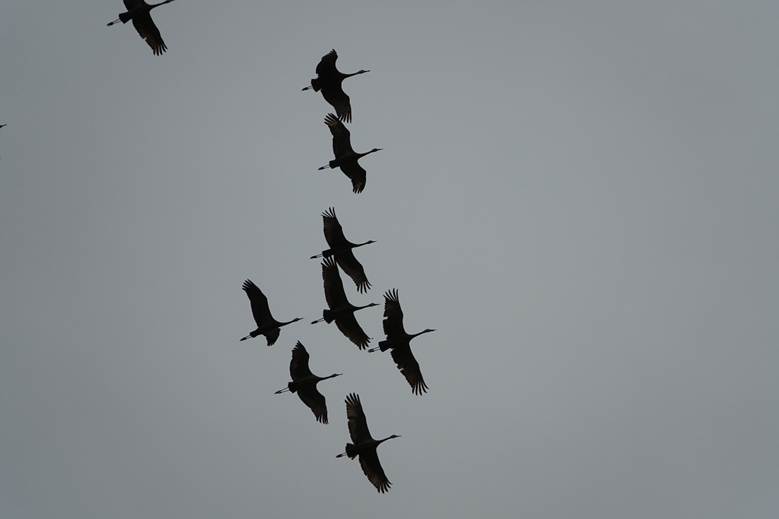
Figure 5. Sandhill Cranes fly overhead. Photo courtesy of Brooke Bell.
Selkirk Mental Health Centre
SMHC was another stronghold for the swifts this season, with successful nesting attempts in all four towers and the Infirmary chimney. The MCSI team met with Steering Committee Chair Tim and a large showing from the Selkirk Birdwatchers on Sept 22 to clean out the towers and chimney.
T1
At T1, the nest was still up on the wall of the tower, while the fragments from 4-5 hatched eggs were in the base. Based on the trail cameras Tim placed inside the tower at the start of the season, it seems like 3 chicks successfully fledged at this tower. This also lines up with Fred and Nettie’s observations at their second-to-last monitoring session on August 26, when they saw three fluttering entries into the tower.
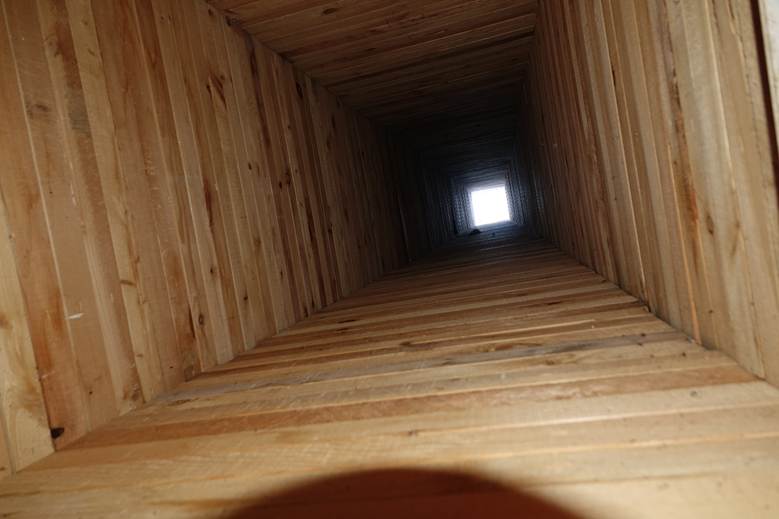
Figure 6. Nest still on the wall at T1. Photo courtesy of Brooke Bell.
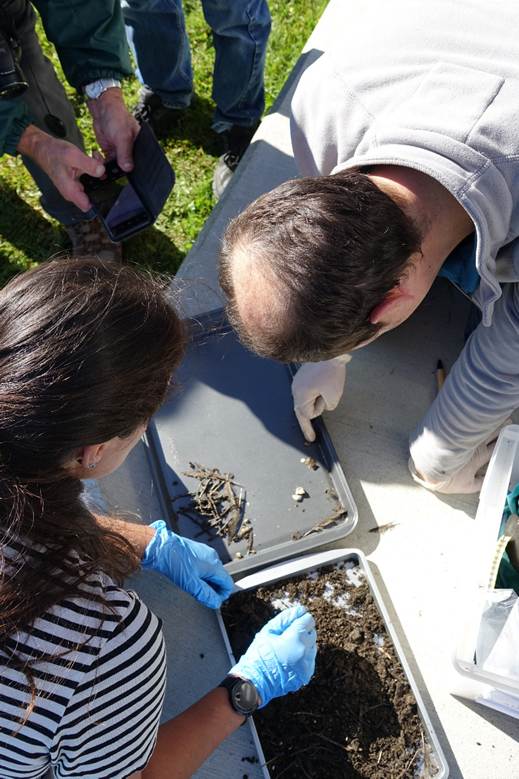
Figure 7. Mackenzie and Tim determining the egg count at T1. Photo courtesy of Brooke Bell.
T2
At T2, the swifts reused the nest from 2025 and successfully hatched 4 eggs. There was one dead chick found in the base of the tower, but the other three seemed to have fledged successfully.
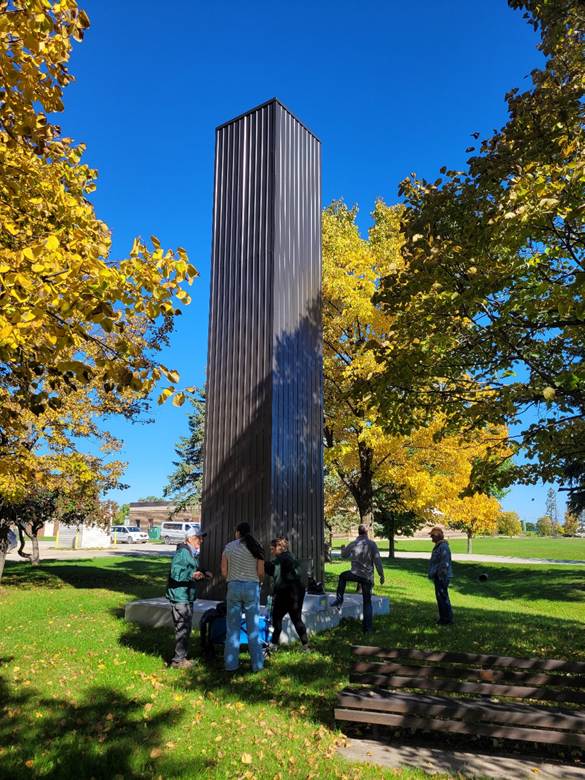
Figure 8. The group gathered around T2. Photo courtesy of Gibson Rieger.
T3
At the Infirmary-attached tower, there was no fallen nest at the base, and the trail camera images show that the nest from last year was rebuilt in late May and early June. We found four hatched eggs in the base of the tower, which lines up with monitoring observations from Dennis and Patti. The first time that fledglings were observed at this tower was on August 16, when Dennis and Patti saw three fluttering entries into the tower. On their next monitoring session on August 23, they added one more to that tally with four fluttering entries. Based on those observations, we can assume that all four chicks successfully fledged from T3.
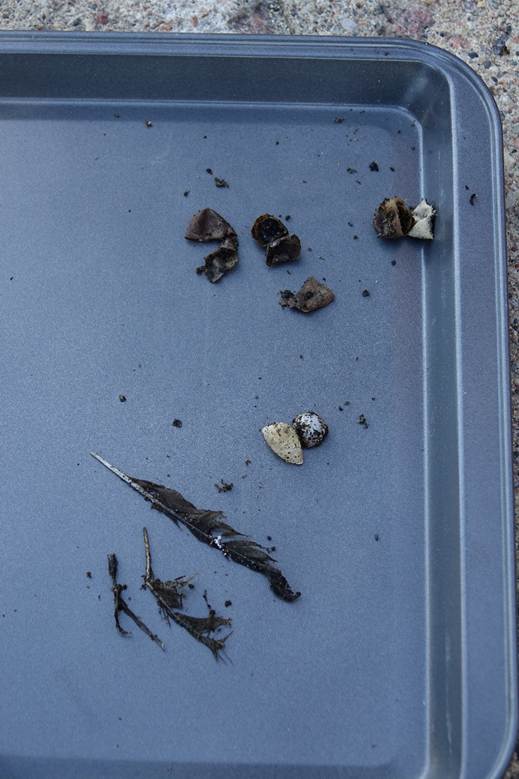
Figure 9. Broken eggshells and feathers found inside T3. Photo courtesy of Brooke Bell.
T4
From this season’s monitoring, we knew that there was a breeding attempt at this tower as there was evidence of feeding in late July though early August. Despite this, our monitors never identified any fledglings entering or leaving this tower, so we weren’t sure if the attempt had been successful. During this cleanout, we found fragments from 4-5 eggs, one of which was unhatched. After reviewing the camera images, we determined that 3 chicks fledged from this tower. Another confirmed success!
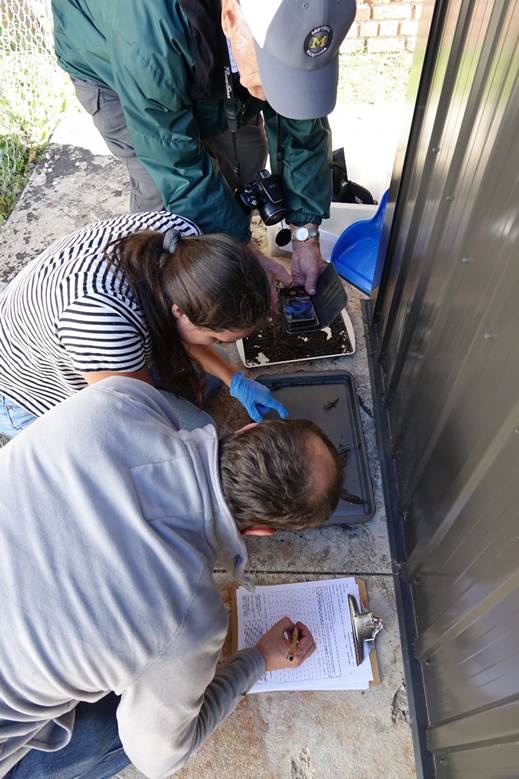
Figure 10. Mackenzie, Tim, and Gerald looking at the materials found in T4. Photo courtesy of Brooke Bell.
Infirmary
The last chimney we cleaned out at SMHC was the Infirmary chimney. The nest was fallen to the bottom of the chimney in several pieces. We found 2 hatched eggs and 1 dead chick, and concluding that there was one successful fledgling at this chimney.
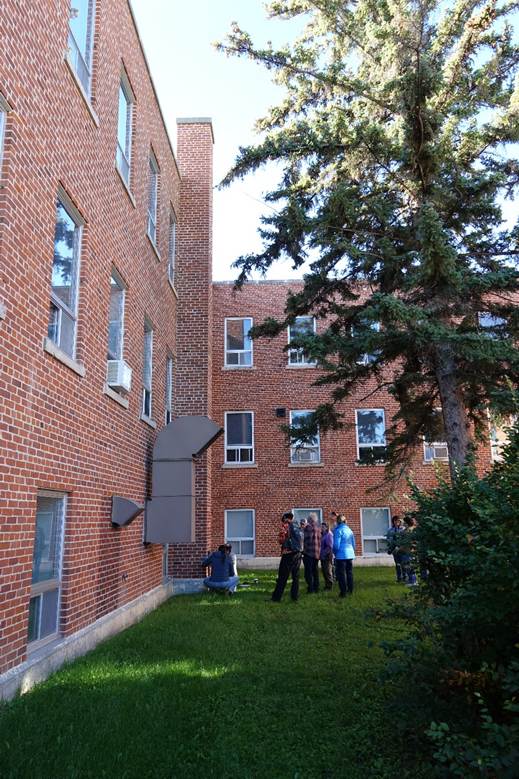
Figure 11. MCSI Staff and volunteers gathered around the Infirmary chimney. Photo courtesy of Brooke Bell.
Overall, it was another successful season at SMHC, with five out of six sites supporting a successful nesting attempt. A huge thank you to our regular SMHC monitors – Dennis and Patti, Fred and Nettie, Lisa and Monty, and Linda and Nia – your dedication to weekly monitoring at this site is truly unmatched. Thank you also to Brooke, Tanner, Tim, Linnea, Brittany and Lauren for doing daytime watches at SMHC throughout the season.
St Adolphe
Our last set of clean-outs for the season took place in St Adolphe. On Sept 24, Mackenzie, Brooke and Gibson were joined by Tim, Barb, Rob and Qilliaq the golden retriever to collect more pieces of the breeding puzzle in St A.
Brodeur Bros/Daycare
This site continues to be a mystery for us. Due to frequent nest slippage events in this chimney, we added a rain shield to the top in the spring. The logic was that the rain washing down the sides of the chimney was causing the nests to fall. We had high hopes at the start of the season, when Gibson confirmed the swifts entering the newly renovated chimney, but those hopes died shortly after, when all activity seemed to stop inside the chimney.
When we opened up the cleanout trap inside the daycare, we found four hatched eggs, and no carcasses, but the lack of activity during monitoring sessions and the lack of guano (poop) at the bottom of the chimney suggested that the young died very shortly after hatching.
When chicks die that young, their bodies decompose very quickly, so they are almost never found during cleanouts.
Encouragingly, the nest hadn’t fallen to the bottom of the chimney, but that just raised further questions about the reasons for the continued pattern of nest failure at this site. Could it be the noise of the daycare through the walls of the chimneys, causing the adult swifts to abandon the site? The walls of this chimney are also coated with an oily residue – a relic from the days when this building was a car dealership and they burned diesel in this chimney. Could it be an air quality issue inside the chimney itself? The wheels in our heads are turning with these questions and potential solutions.
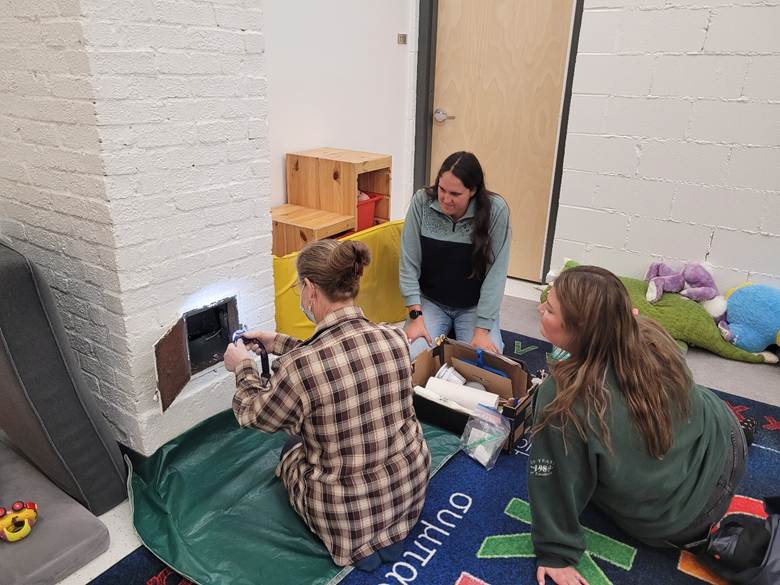
Figure 12. Mackenzie and Brooke watch as Barb opens the Brodeur Bros/Daycare chimney. Photo courtesy of Gibson Rieger.
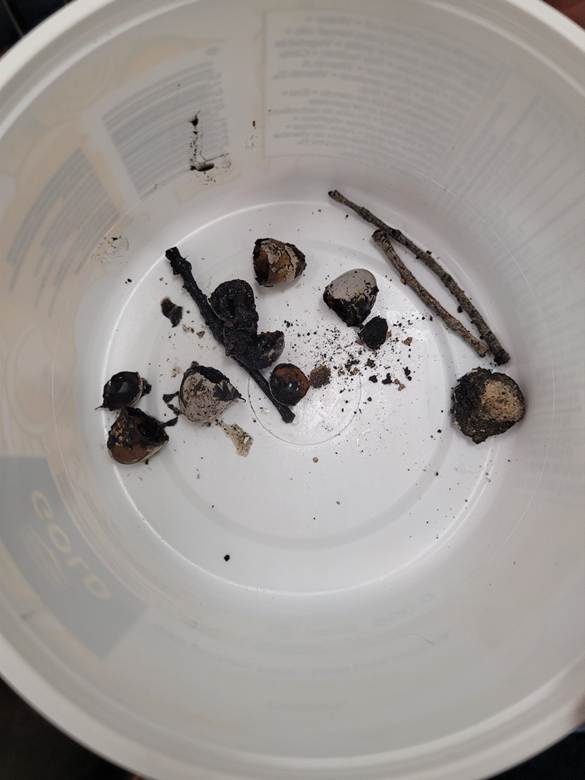
Figure 13. Egg fragments and sticks found inside the Brodeur Bros/Daycare chimney. Photo courtesy of Gibson Rieger.
Tower
For the third year in a row at the Tower, we had a successful breeding attempt! We opened up the bottom of the Tower and the first thing we noticed was last year’s nest absolutely covered in guano. The nest that was used this year was still up on the wall of the Tower. In addition to the old nest, we found fragments from two hatched eggs, and a third unhatched egg. This lines up with Barb’s monitoring observations, when she saw two fledglings around the Tower at the end of July.
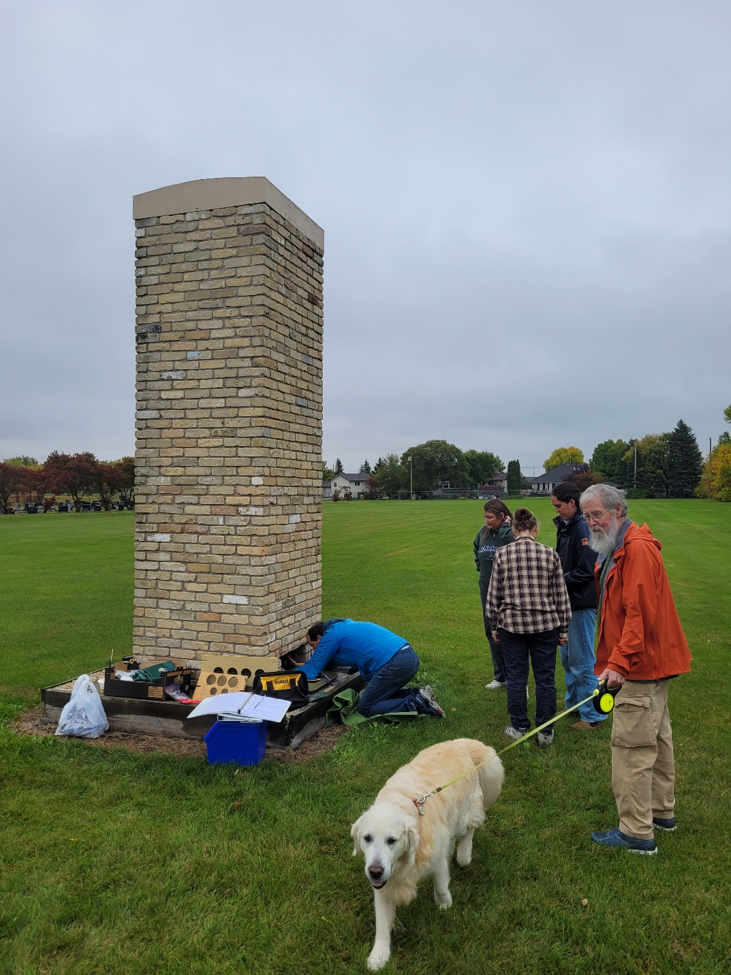
Figure 14. Brooke, Mackenzie, Barb, Rob and Qilliaq watch as Tim opens up the Tower. Photo courtesy of Gibson Rieger.
After we dug out the eggshells, Brooke and Gibson took the lead on cleaning out the rest of the Tower, ensuring we didn’t miss anything, then followed Rob and Tim’s directions to fit the specially made panels back onto the opening. The rest of us just stood back and watched!
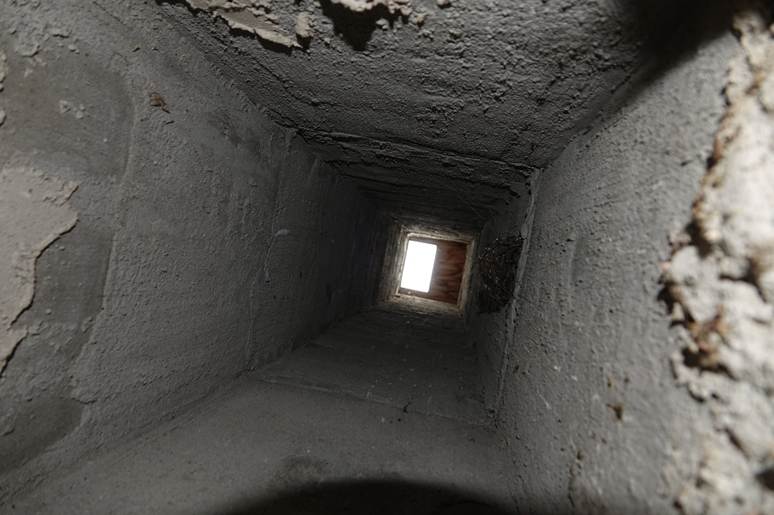
Figure 15. The 2026 nest still stuck to the inside of the Tower (the bulge on the right side wall). Photo courtesy of Brooke Bell.
Main St
Barb tackled the cleanout for the Main Street house solo on Sept 14. She found the remnants of 3 hatched eggs and one unhatched egg, as well as the nest down in pieces. The lack of guano at the bottom of the chimney suggests that the nest failed shortly after hatching, possibly due to a nest slippage event. This home wasn’t watched as closely during monitoring sessions, so the exact date of nest failure is hard to pin down.
Overall
Well, there you have it folks, our last Chimney Swift update of the 2026 monitoring season! While we have the cleanout data to confirm nesting success in these 10 chimneys/towers, for the rest of the sites we’ll have to rely solely on the monitoring data to determine whether it was a roosting or nesting chimney, and whether there was a successful breeding attempt. I’ll be spending the next little while summarizing the data from all 196 (!) sites that were monitored this year. THANK YOU to all of our volunteers who participated in chimney monitoring this summer, and a special shoutout to those who joined us for the cleanouts.
I’d also like to sincerely thank our two MCSI Program Assistants, Brooke and Gibson, who had their last day with the program two weeks ago. If you’ve been reading our blogs this summer, then you know that Brooke and Gibson did a marathon of monitoring, checking out almost every Priority Site in Winnipeg, and even some outside the city. They spent many, many hours watching chimneys with absolutely zero action, but there were plenty of exciting moments too, and they always returned to the office with a story to tell.
Besides monitoring, they wrote weekly summaries, helped update the database when we received new datasheets, managed our social media pages, and helped keep our interactive map up to date with Priority Sites. Thanks to Brooke and Gibson for all your hard work this summer, we wish you all the best and hope to see you chimney-side again next season 😊
While this was our last monitoring update, keep your eyes out for our season summary stats coming soon, and make sure to follow us on Instagram and Facebook for more updates.
Thanks again for a wonderful swift season!
— Mackenzie
