MCSI – MONITORING INSTRUCTIONS FOR 2016

April is upon us and the weather continues to challenge the full eruption of spring. The signs are apparent though that we will transition out of snowy days to welcome more avian migrants soon. It is almost time to greet the returning chimney swifts – my favourite time of year!
 Next month, we begin our tenth season of monitoring chimney swifts in Manitoba. With that milestone comes a warm welcome to new volunteers and heartfelt thanks to returning monitors. You are the backbone of the Manitoba Chimney Swift Initiative (MCSI) accomplishments. Here is a synopsis of our 2016 monitoring objectives and protocols…
THE WHAT AND WHY OF OUR MISSION.
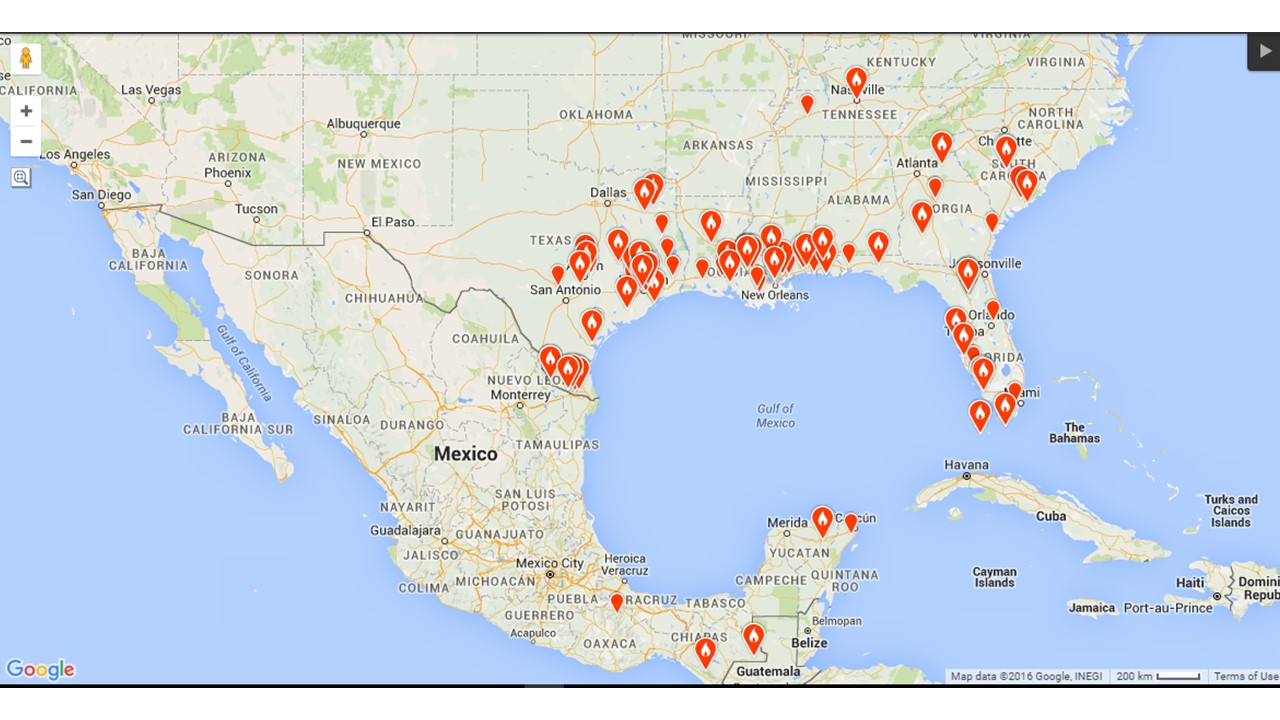
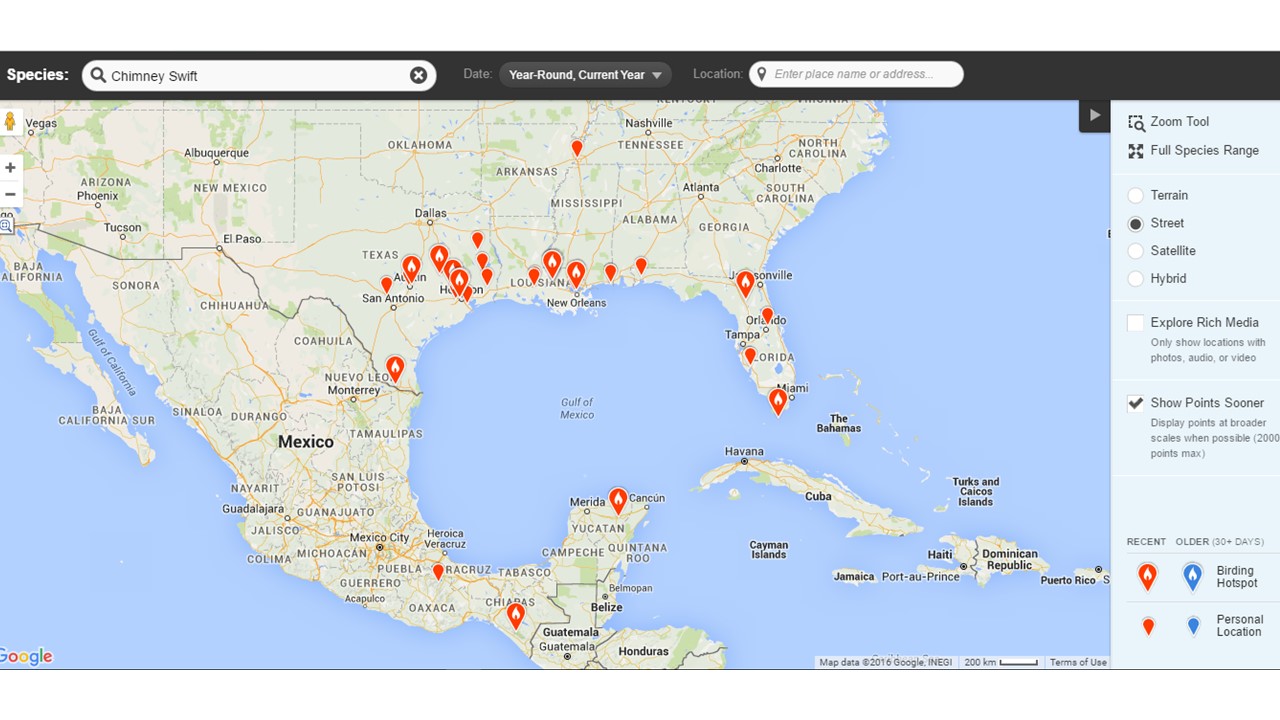
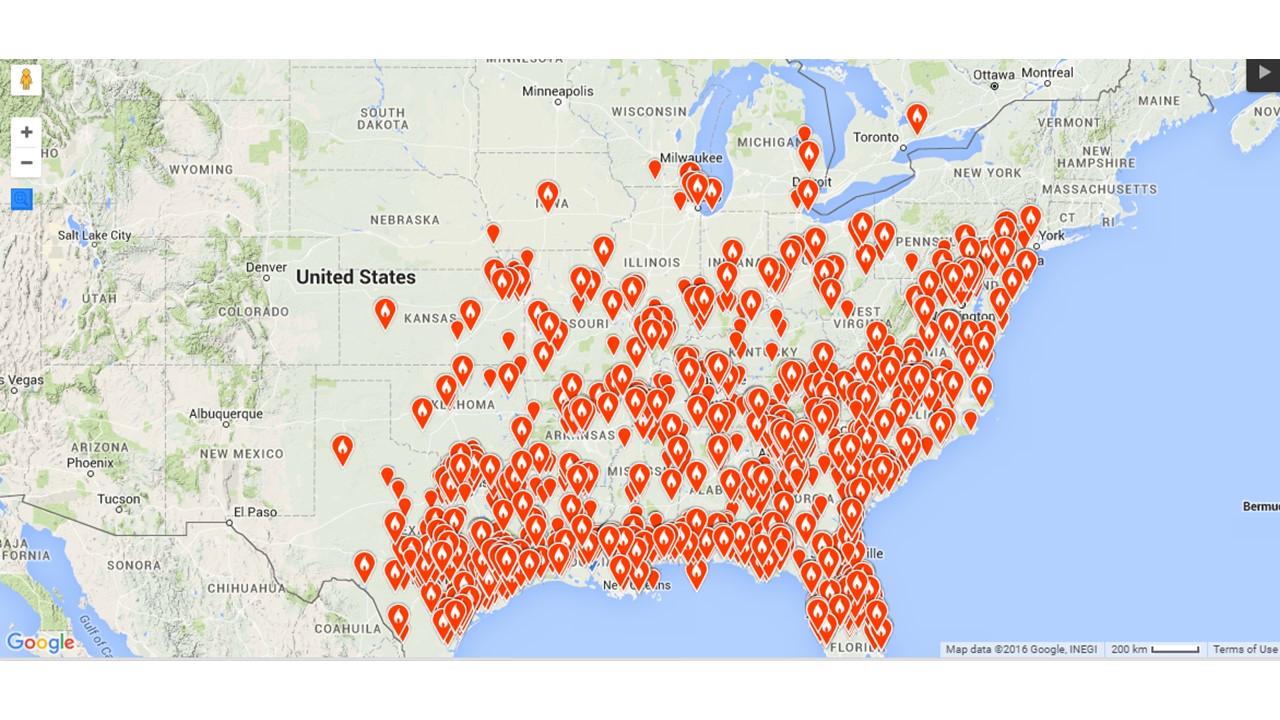
The 2016 MCSI monitoring season will run with two programs (same as for 2014 and 2015). We start by supporting the National Roost Monitoring Program (NRMP); the monitoring data tracks the spring arrival and dispersal of migrating swifts, records peak counts, and provides the basis for subsequent trend analysis. Bird Studies Canada, Ontario Region, then uses the NRMP data to map the results e.g.,
http://www.mbchimneyswift.ca/Documents/NRMPmaps2014.pdf
The NRMP monitoring protocol is posted at http://www.mbchimneyswift.ca/Documents/NRMP2016.pdf
The monitoring season continues with our provincial MCSI Roost and Nest Site Monitoring Program. This program tracks the abundance of roosting chimney swifts and the progress of breeding pairs, and their young, at nest sites; fall migration trends also are documented.
The provincial monitoring program data supports various MCSI Steering Committee activities e.g., the preparation of “Guidelines for Creating Chimney Swift Nesting or Roosting Chimneys in Manitoba” (posted in the Resources section of our website at http://www.mbchimneyswift.ca/Documents/MCSI_artificialstructures2015.pdf ).
Tim Poole, our MCSI Habitat Stewardship and Outreach Coordinator, will use your monitoring data to identify needs and deliver programs e.g., the restoration of a deteriorating site or a school visit.
The MCSI Roost and Nest Site Monitoring Program monitoring protocol is posted at
http://www.mbchimneyswift.ca/Documents/MCSI_monitoring2016.pdf
WHEN DO WE MONITOR?
The NRMP dates have been set for May 25, May 29, June 2, and June 6. Monitors all across Canada will be viewing chimneys on the same evening. In Manitoba, chimney swifts occupy the northwest portion of the summer distribution.
Two issues influence our choice of how long to view the chimney rims on the NRMP dates.
1. MCSI would like to designate active chimneys as roost or nest sites. We distinguish between roost and nest sites on the basis of chimney swift behaviour. Roost sites are occupied by chimney swifts resting for the night; typically, only entries occur during the roosting hour and then the swifts leave the next morning within ½ hour of sunrise. Nest sites are used during the daytime i.e., times outside of the roosting hour (entries) and period of first morning departures (exits made ½ hour before to ½ hour after sunrise). In early June, daytime activity (entries/exits) indicates that breeding adults are nest building.
2. MCSI is interested in how temperature/weather conditions influence the time of roosting.
So, for all four NRMP nights:
• Watch your chimney for 1 hour PRIOR to sunset THEN CONTINUE to watch for ½ hour AFTER sunset. You will be monitoring for a total of 1½ hours.
• Record the time of an entry or exit and the number of chimney swifts seen during the event.
• Fill out the datasheet to the best of your ability (details below).
Beyond the NRMP, any monitoring you do this year would be useful to us. Meeting with other monitors can add to the fun. The Selkirk Squad heads to their sites every Monday. Monitors at the Assiniboine School (Winnipeg), Brandon, Dauphin, Portage La Prairie, La Broquerie, and Lac du Bonnet put incredible time into monitoring their roost and nest sites. Monitoring results from occasional viewing and opportunistic observations help us catalogue swift activity and identify new habitat. Tell us about ANY chimney swifts you see in 2016!

WHO IS INVOLVED IN THE MCSI MONITORING PROGRAMS
AND WHERE DO WE GO?
Monitors from previous years – please confirm that you will be participating in the 2016 program; we will partner you with last year’s site(s) unless you request a change of location.
New monitors – please self-identify your interest and a convenient site will be assigned from our database (http://www.mbchimneyswift.ca/Documents/2014_15_database.pdf ).
If you were involved with Manitoba Breeding Bird Atlas activities – try to advance your chimney swift observations to the highest breeding evidence category = “confirmed breeding”.
If you are interested in a field assignment – head to uncharted urban territory and/or quest chimney swifts suspected to be using old growth forests e.g., Mount Agassiz area, Riding Mountain National Park.
HOW DO WE MONITOR?
At your designated sites, make yourself comfortable in a safe location (away from traffic) with an unobstructed view of the chimney rim. You will be focusing on the chimney rim to document chimney swift entries and exits. Chimney swifts can be meteoric in their entry to a chimney and they can be very stealthy with low angle exits – if you blink you can miss all the action! That is why a buddy system is useful for monitoring. If you need to take a break, your partner can pick up viewing the rim. This is supposed to be a fun exercise in citizen science, so make whatever arrangements you need to personalize the experience.
USE THE MCSI MONITORING REPORT 2016 datasheet for ALL Manitoba monitoring sessions this season i.e., for both programs and at all sites. The datasheet is posted in the Resources section (http://www.mbchimneyswift.ca/resources.html) of the MCSI website as a WORD document and also as a pdf: http://www.mbchimneyswift.ca/Documents/MCSIData_Sheet_2016.pdf
During a monitoring session, you will SIT ‘N’ STARE at your chimney rim and RECORD the time of all observed entries/exits and the number of chimney swifts involved. NOTE WEATHER CONDITIONS at the time of viewing: temperature (the most important for evaluating aerial activity as 13 C is the threshold for flying insects = dinner for our swifts!); wind speed; cloud cover; and precipitation. SUBMIT YOUR FORMS electronically or by mail (see the bottom of the 2016 datasheet for details).
Tracking the aerial activity of swifts to identify new habitat can be rewarding. If you head into uncharted urban territory this year, start with the historical sections of towns. Old brick chimneys are often associated with churches, schools, post offices, and vintage homes; large stacks on hospitals also seem popular with the swifts. During the daytime, look for small numbers of low flying chimney swifts (often mixed in with purple martins) which have repetitive flight paths low over/around buildings. Try to narrow down candidate chimneys = open, rough-interior sites which are at least 2.5 X 2.5 bricks wide (minimum 14″ X 14″ opening) then follow the stare-down routine to catch an entry/exit event. For larger chimneys which may host a roosting group, try to identify increasing numbers of chimney swifts circling around a chimney just prior to sunset. Wait for the spectacle of the entries – it is often triggered by the first weary swift dropping in for the night; the remaining birds funnel in like water pouring down a drain. Try to count the birds as they drop into the chimney ~ it is a delightful challenge with a large flock, but try your best.
Natural tree cavity use has never been documented for chimney swifts in Manitoba. Try to get a photograph, GPS coordinates, and document the details (date/time/weather conditions etc.) of your amazing discovery.
VOLUNTEER RESOURCES are posted on our MCSI website at: http://www.mbchimneyswift.ca/resources.html . There are links to video clips, research/general interest articles, and the all-important “Dashboard Placard” which identifies you as an MCSI volunteer.
The MCSI team looks forward to hearing from you this year: MCSI Webmaster – Frank Machovec; MCSI Habitat Outreach and Stewardship Coordinator – Tim Poole; MCSI Steering Committee Members – Christian Artuso, Ron Bazin, Neil Butchard, Lewis Cocks, Ken DeSmet, Nicole Firlotte, Rob Stewart & Barb Stewart.
– – – – – – – – –
“Oh, the places you’ll go! There is fun to be done!
“You have brains in your head.
You have feet in your shoes.
You can steer yourself any direction you choose.”
Dr. Seuss, Oh, The Places You’ll Go!




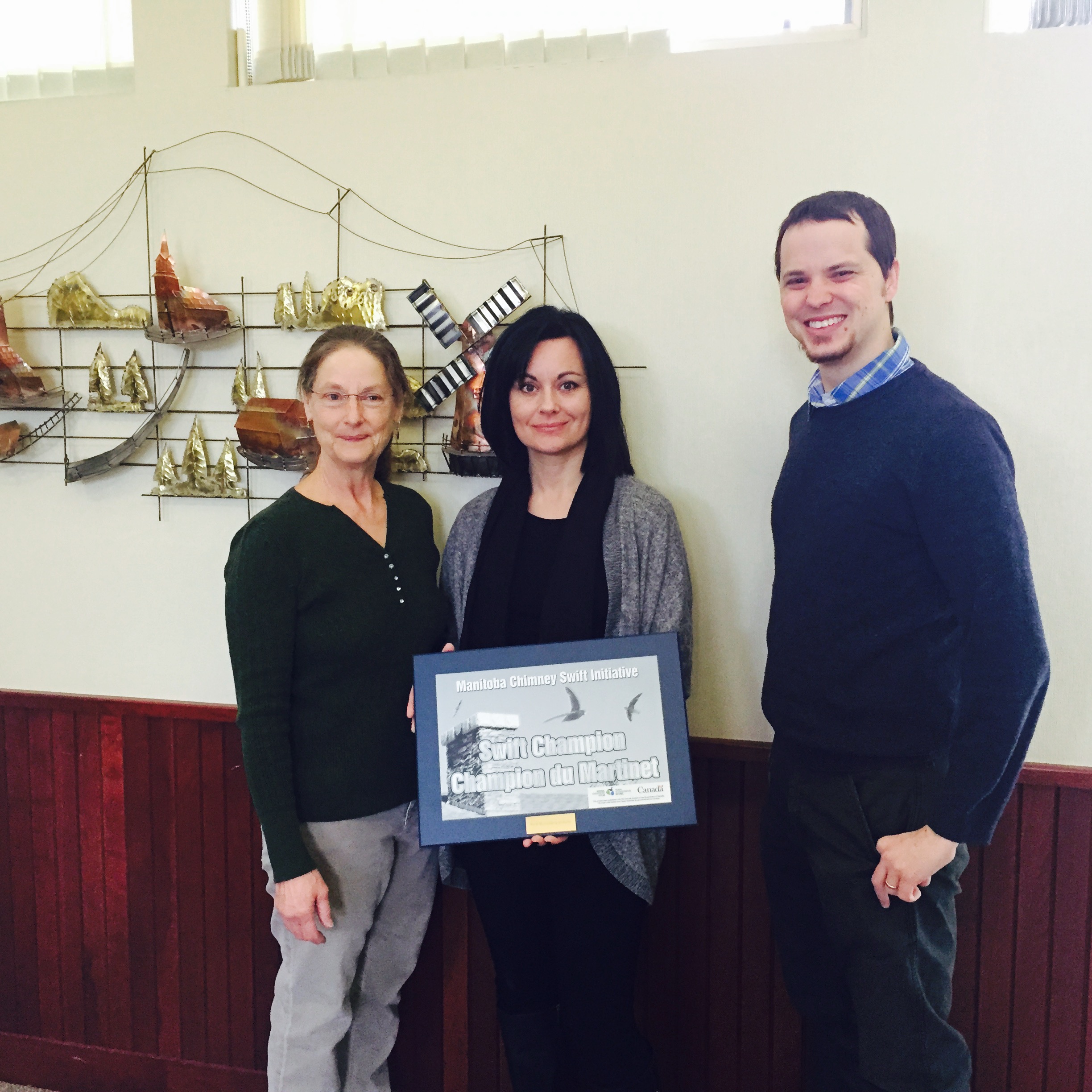

 It is with great pleasure that we welcome Nature Saskatchewan members into the fold as they launch a new program to locate and enumerate Chimney Swifts in Saskatchewan. The vision statement of Nature Saskatchewan (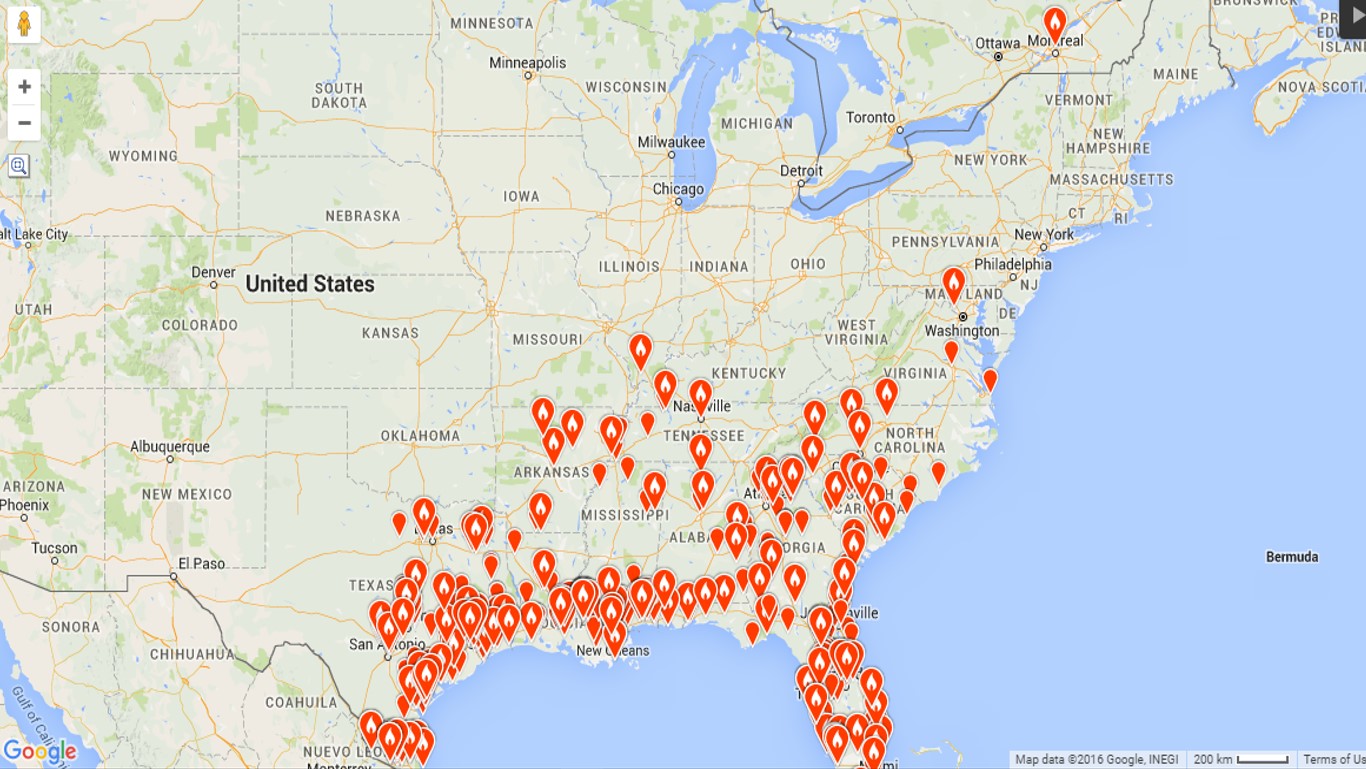
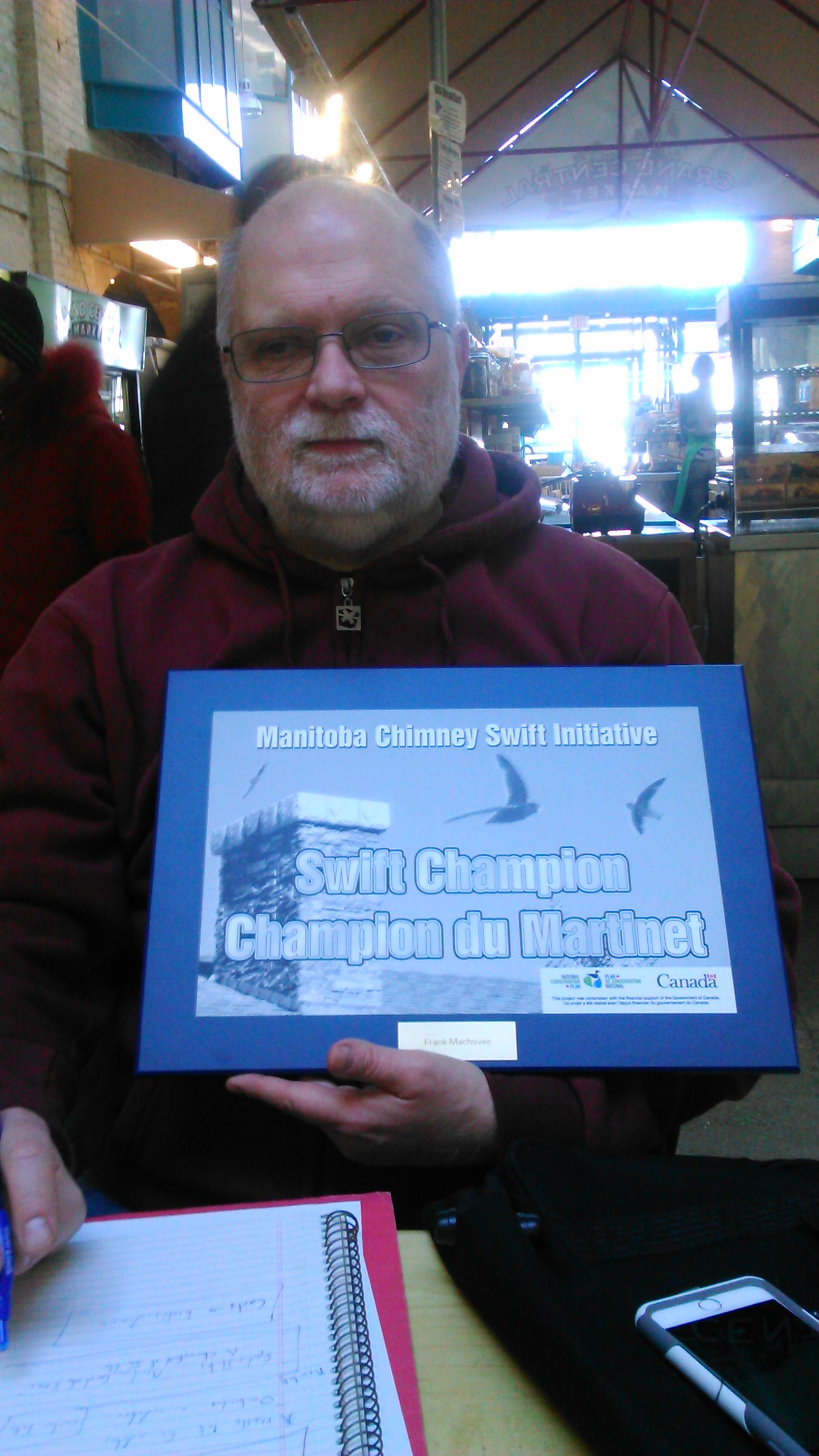 Most readers have probably had some sort of communication with Frank over the years. Frank served MCSI as its third coordinator, even volunteering his time for part of this period as funds dried up. Previous to that, he served on the MCSI Steering Committee and the board of Nature Manitoba. Frank also gave a presentation on MCSI at a national conference on Chimney Swifts in February 2013 and even made the Metro in his time (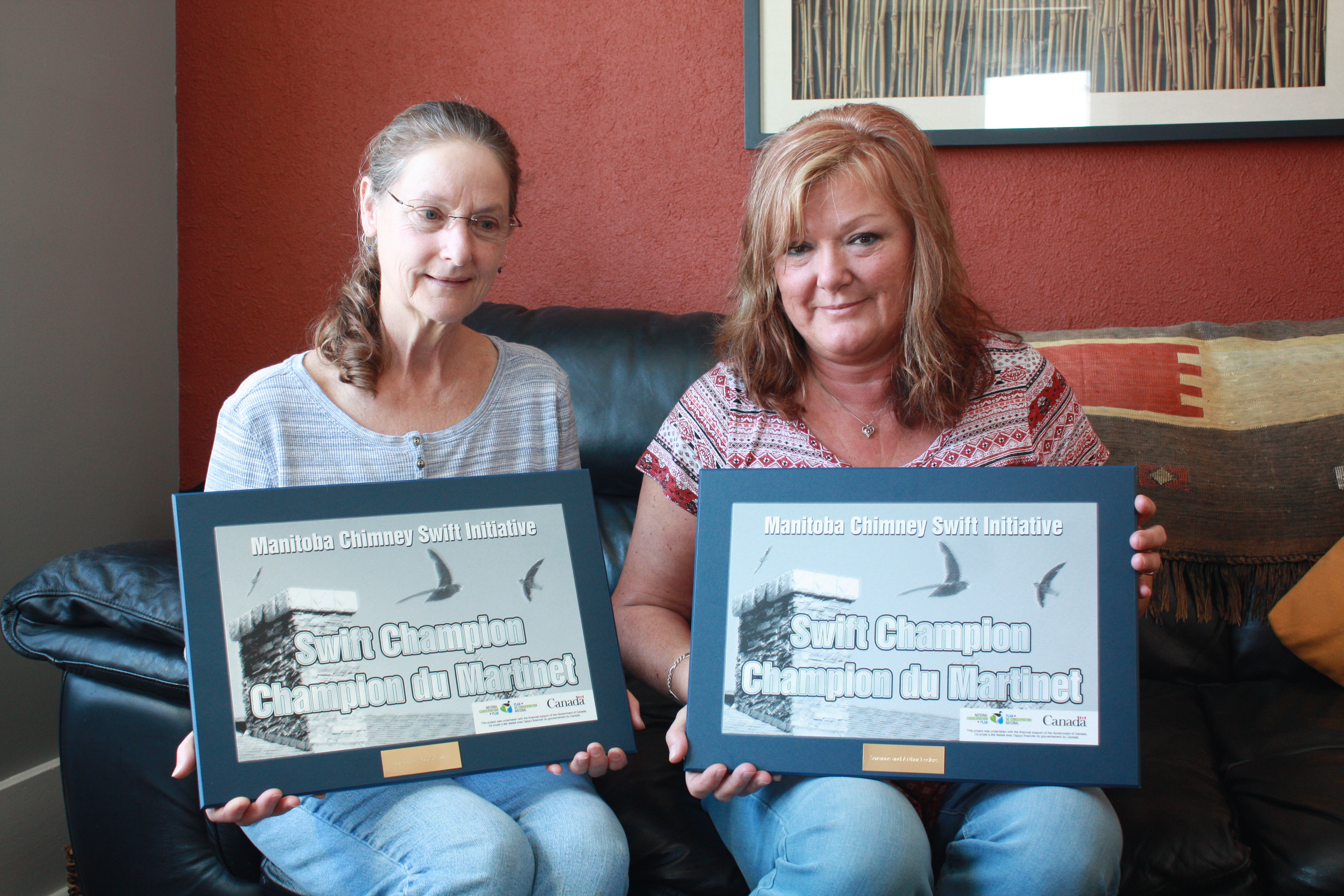
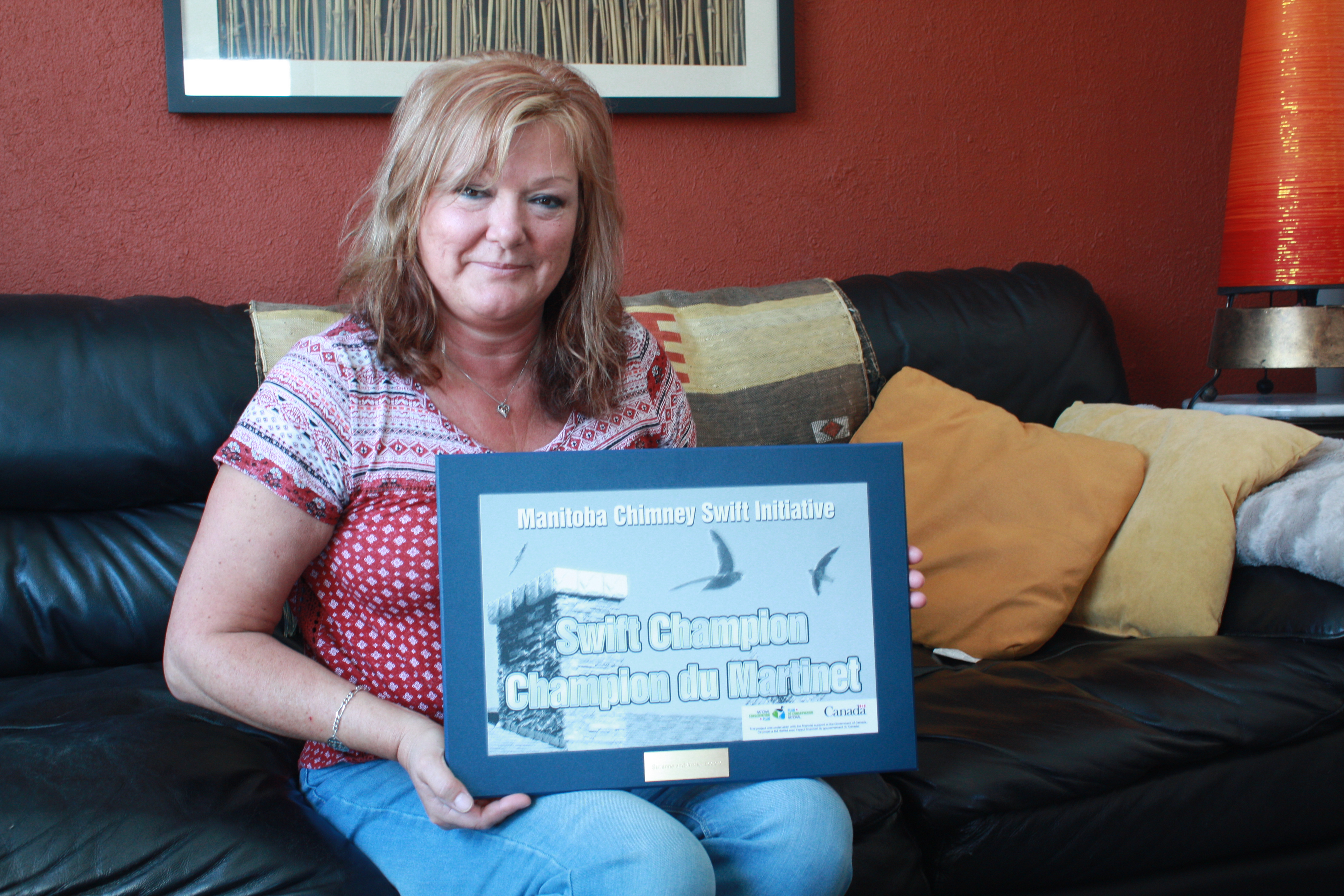 Since 2007, the Leclercs have not only been happy hosts to their summer lodgers, they have given extra support to MCSI volunteers. For example, each spring and fall, they allow an MCSI volunteer to enter their home and clear out the contents of the cleanout trap. This allows MCSI to continue with our long-term study of breeding success in Saint Adolphe. The chimney has also been repointed in the intervening years to retain the habitat for swifts.