Priority Sites and Swift Parenting

Priority Sites and Swift Parenting:

The monitoring plan for the remainder of the breeding season

While our official roost monitoring evenings are done, we do continue monitoring throughout the nesting season. You can keep monitoring your usual chimney or help us confirm use by swifts at our priority sites. Occasional observations as well as consistent monitoring are both valuable.

Barb elegantly puts in words the benefits of these different approaches in a past blog post: “Along the way your monitoring sessions will add puzzle pieces to the overall picture. Infrequent, short sessions gather puzzle pieces with snippets of information; these are very good for verification of site use. Frequent, lengthy sessions harvest more robust puzzle pieces that have more information in them; these are necessary for identifying stages of nesting.”. Basically, doing what you can, when and where you can, is all helpful and helps us bring together the countless pieces of the greater Chimney Swift puzzle.

Keep reading for a detailed breakdown of how to help us monitor priority sites, as well as how to monitor a nesting chimney during breeding season.

Priority sites

Below is a list of our priority sites to monitor in 2023. We want to know if Chimney Swifts are using these chimneys. Confirming use of these chimneys by swifts (an entry or exit) will confirm them as protected ‘residences’ under the Proposed Chimney Swift Recovery Strategy. Monitoring at these sites can be done at any time of day – the key is to see an entry or an exit by a swift.

Here’s how you can help: Take a look the list, pick a site or two that you would like to check out, go take a look to see if there any swifts using this chimney and let us know what you see! Once we get a report from someone saying they’ve observed an entry/exit at a site, we will cross that site off our list and let everyone else know that this site no longer needs to be monitored. We will be posting an updated list on the blog weekly, so that volunteers can see what sites still need to be monitored and which sites have been ‘checked off’. A collaborative scavenger hunt of sorts, with important implications for Chimney Swift conservation!

Three of these sites have already been crossed off our list, which is exciting! Amanda observed a swift entering the chimney at 2150 Portage Avenue on May 24th, as well as three swifts entering the chimney at 155 Traill Avenue on June 3rd. Blair observed two swifts entering the chimney at 340 Provencher Boulevard on June 7th. These three sites have a line across them in the list below, to represent that they have been ‘crossed off’ our list.  


SettlementNeighbourhoodLocationSiteObserver
Manitou.338 Hamilton StSt Andrews United Church 
Morden325 Stephen StPembina Hills Art Centre 
Selkirk.420 Main StLord Selkirk Hotel 
The Pas.380 Hazelwood AveVIA Rail Station 
Wasagaming106 Buffalo Dr 
WinnipegDaniel McIntyre222 York AveBrink’s Canada 
WinnipegDaniel McIntyre803 Erin StElan Designs and Upholstery 
WinnipegDaniel McIntyre520 William Ave Living Gospel Church 
WinnipegDaniel McIntyre520 William AveLiving Gospel Church 
WinnipegDaniel McIntyre33 Kennedy StLincoln Towers Apartment 
WinnipegDaniel McIntyre100 Adelaide StImmigrant Centre Building 
WinnipegDaniel McIntyre348 Assiniboine AveRedboine Apartments 
WinnipegDaniel McIntyre91 Albert StrThe Old Market Autonomous Zone 
WinnipegDaniel McIntyre239 Colony StThe Florida 
WinnipegEast Kildonan/Elmwood325 Talbot AveRiverwood Church Community Firehall 
WinnipegFort Garry1022 Pembina HwyCambridge Hotel 
WinnipegFort Rouge/East Fort Garry411 Stradbrook AveLancaster Apartment 
WinnipegFort Rouge/East Fort Garry277 River AveRoyal Oak Court Apartments 
WinnipegFort Rouge/East Fort Garry105 Clarke StMy Place Realty 
WinnipegFort Rouge/East Fort Garry272 Cockburn StKing George Court 
WinnipegFort Rouge/East Fort Garry118 Scott StApartment 
WinnipegFort Rouge/East Fort Garry280 River AveMoxam Court 
WinnipegFort Rouge/East Fort Garry245 Bell AveChildren’s Education Funds Inc 
WinnipegFort Rouge/East Fort Garry834 Grosvenor AveEugene Apartments 
WinnipegFort Rouge/East Fort Garry444 River AveAugustine United Church 
WinnipegNorth End935 Main StUkrainian National Federation 
WinnipegNorth Kildonan25 Valhalla DrValhalla Gardens 
WinnipegRiver Heights/Fort Garry465A Lanark StLanark Gardens 
WinnipegRiver Heights/Fort Garry465D Lanark StLanark Gardens 
WinnipegRiver Heights/Fort Garry1055 Grant AveGrant Wilton Apartments 
WinnipegRiver Heights/Fort Garry890 McMillan AveMilan Apartments 
WinnipegSt Boniface1310 Archibald StNiakwa Park Plaza 
WinnipegSt Boniface340 Provencher BlvdCentre Culturel Franco ManitobaBlair Reid
WinnipegSt Boniface864 Marion StNo. 9 Fire Paramedic Station, 864 Marion Street 
WinnipegSt Boniface847 Marion StEuro craft office furnishings 
WinnipegSt Boniface99 Birchdale AveNordale School 
WinnipegSt James2160 Portage AveStanley Park Apartments 
WinnipegSt James2150 Portage AveThunderbird ApartmentsAmanda Shave
WinnipegSt James155 Traill AvenueHilton House AptsAmanda Shave
WinnipegSt James2415 Portage AveEssex House, pest cage 
WinnipegSt Vital531 St Mary’s RdRiverside Billiards 

Nest site monitoring

Many of you have been regularly monitoring chimneys used by Swifts to nest. If you are interested, we encourage you to keep monitoring these chimneys at the frequencies and durations that work for you. Monitoring during the nesting season can be done during the daytime. Data such as the number of entries and exits per hour, as well as the amount of time spent inside the chimney between entries/exits are useful in determining which phase of nesting the Swifts are currently in.

We are now into the ‘nest building’ phase of the breeding season, during which a breeding pair of Chimney Swifts will build a small cup-shaped nest by bringing small diameter twigs into the chimney, using their sticky saliva to glue these twigs together to form a nest. The Swifts will continue to build the nest throughout the egg laying and incubation phases. There is a lot of variability in the activity across nest sites but in general, if there is nest building at a site, you will see daytime entries by a single Chimney Swift or a pair flying together at a frequency of around 1-2 entries and exits per hour. The duration-in/between-visit time intervals are variable.

Once the eggs are laid, incubation begins. Here is Barb’s great explanation from a past blog on what incubation can look like in terms of activity:

“Incubation is the toughest nesting stage to pin down with respect to the date of onset. Start dates are nearly impossible to establish unless you have a nest cam or viewing port inside a tower etc. But it is possible to identify if the Chimney Swifts are incubating by using monitoring data. In ascending order of good, better, and best, I use 3 criteria which usually indicate that Chimney Swifts are on eggs. For monitoring sessions of at least 60 minutes, signs of incubation are: 1. % attendance, or time spent in the chimney, is > 50%; 2. A duration-in interval <10 min. (for an entry where a partner is not obviously flying nearby and doesn’t enter); and/or 3. A classic incubation exchange i.e., an entry followed by an exit 30-120 sec. later. Classic incubation exchanges take place 1 X hour (give or take a few minutes) at a site with 2 breeding adults.”

Once the eggs hatch, the Swifts move from the incubation phase (general range of 18-21 days) to feeding their young before fledging (general range of 28-30 days).

It is important to keep in mind that many other factors can influence Swift behaviour. Bad weather or other disturbances may cause Swifts to enter a chimney during the daytime, even though they are not nesting. Also, there are always exceptions to the general ‘rules’ for timing and duration of the different nesting phases and their associated activities.

The same can be said for trying to interpret the movement and behaviour of Swifts during migration, as they arrive and disperse throughout the breeding grounds… As many of you who watched the same site across several different nights know, the number of Swifts entering a chimney during the roosting hour can be extremely variable from session to session. I will finish this week’s blog post by sharing some words from Winnie Wake (from London, ON) about interpreting the results of our swift counts during this period, with). Winnie shared these thoughts (along with the beginning caveats) with Barb and has given us permission to share them with you:

“I would caution that my proposed interpretations for our region might not necessarily be fully applicable to yours.  We also notice that numbers can vary at the small sites that we refer to as nest-only chimneys.  When half a dozen swifts show up at some of these, we do not know who the extras are – extra migrants or surplus of wanna-be helpers or some other category.  With swifts, I have learned there are always exceptions to defy any generalization I may try to invent to explain their behaviour.

During spring migration, the big unknown in interpreting swift counts at various chimneys is the turnover rate.  How many days do migrating swifts stay in London before resuming their journey north (or dispersing to local nest chimneys) and, while here, to what extent do they move around among London chimneys?  Personally, I do not think a significant number of migrating swifts move around to the extent that total numbers stay relatively the same for a number of days, though I think that some swifts likely do move around among chimneys. 

I think a lot of our swifts pass through in waves.  This could be waves of different sizes that arrive and move on after spending varying numbers of days in town.  The wave theory is also visible at a finer level.  During a roost watch, we often notice a group of swifts arrive, circle and enter.  Then the sky will be empty for a while until the next group arrives, often from a different direction. We will also sometimes notice swifts passing over a roost chimney in numbers that are larger than the number that finally enters.  Presumably these birds are checking out the possibilities before making a decision on where to spend the night. I have a hunch a number of our birds go directly to nest chimneys without first spending time in local roosts.  We also do not know how many other London chimneys that we are not regularly monitoring might be occupied by roosts in a particular season.  Most of the roost chimneys we monitor are within a km or so of other monitored chimneys.  Almost all of the 18 chimneys have hosted roosts at some season or time in the past (only 3 FSA chimneys have not), but, in a given spring, summer or fall season, it is unusual for there to be more than four to six active roosts.”

Thank you!

We’d love to keep receiving reports of what you’re seeing, or not seeing! Even if you are not following the official roost monitoring protocol, you can enter your reports on our datasheet (available here on our website). As always, send us an email at mbchimneyswift@gmail.com if you’ve got any questions. Stay tuned for next week’s blog for more monitoring updates!

-Marissa

Recap of NRMP/MCSI Nights #3 & #4

June has arrived, and the swift reports keep coming in! Thank you to all of those that have been monitoring and submitting reports. While our four official MCSI/NRMP nights for the season are now done, we encourage you to keep conducting roost monitoring sessions whether at the same site you have been monitoring this year or in past years, or at sites that we have on our list as priority chimneys to monitor for use by swifts (to confirm ‘residence’ status). Click here to read our start of year blog which goes into more detail about what we mean when we refer to ‘residence’ status, and the different types of sites we want to monitor.

Here are some new updates since our last blog, starting with our Winnipeg sites:

On June 1st, Barbara Barnett observed 210 entries into the River Manor Apartments. A few days later on June 5th, Barbara and Phil observed 175 swifts enter the chimney. At the Moorgate Apartments, Linda Curtis observed three entries and one exit on June 1st, and two entries on June 5th. Jo Swartz and Richard Silverman watched the chimney in Assiniboine Park on May 25th and saw seven swifts flying around, with five swifts entering the chimney for the night. On May 28th, Jo watched the chimney again this time with Betsy Thorsteinson and saw four swifts enter the chimney. On June 5th, Jo and Richard observed three entries into the chimney. Beth Hiltz and Wolfgang Jansen watched the Assiniboine School chimney on June 1st and observed four swifts in the air and one entry into the chimney, while on June 5th, Beth did not observe any swifts enter the chimney. Blaire Barta submitted more reports from the Behavioural Health Foundation in St. Norbert, noting two entries on both May 31st and June 5th. Amanda Shave was able to cross another priority site off our list of sites to confirm use by swifts – She observed three swifts entering the chimney at Hilton House Apartments, which means it now qualifies as a residence for Chimney Swifts. Woohoo!

Things remain very busy in Selkirk. Winona Hook has been watching the Merchant’s Hotel, reporting two entries on both June 3rd and June 5th. At the Selkirk Mental Health Centre (SMHC) on June 1st, two entries were observed at T01 (tall tower), T02 (courtyard tower), T03 (infirmary-attached tower) and the infirmary chimney, while no entries were observed at the yellow brick chimney and T04 (powerhouse tower). On the morning of June 3rd, Gerald and Carol looped through SMCH and saw two entries into the infirmary chimney, and one entry into T03. Tim Poole and his team of students watched the SMHC towers in the morning on June 5th and reported seeing one entry into T01, no entries into T02, one entry into T03, one entry into T04, one entry into the infirmary chimney, and no entries in the yellow-brick chimney. Later on that day during the official roost monitoring session, volunteers observed two entries into each of T01, T02, T03, the yellow-brick chimney and the infirmary chimney, but no activity at T04. It seems that there is some nest building going on in some of these chimneys and towers, but we will need to keep monitoring to be sure of what is going on here!

As for Lower Fort Garry, Joanne Tuckwell monitored during the morning of June 5th, and observed two swifts entering into the Fur Loft, followed by two exits. She also saw two entries into the Men’s House chimney. Later on that evening, Gerald Machnee observed one entry into the Men’s House chimney and two entries into the Fur Loft chimney.

Barb and Rob Stewart have been busy keeping an eye on the swifts in St. Adolphe. After observing many daytime entries and exits at the Club Amical from May 28th to June 2nd, they suspected that nest building was underway in the northeast chimney. The southeast chimney is proving to be a bit more confusing, with some monitoring sessions resulting in zero activity and other sessions resulting in the observation of entries and exits and the swifts spending a lot of time inside the chimney (which can be an indicator of nesting activity). On June 6th, Barb and Rob noted long durations of time between entries and exits in the northeast chimney, suggesting that the swifts using this chimney have reached the incubation stage of nesting. It will be interesting to see what happens here in the next several weeks.

In La Broquerie, Frank Machovec monitored the church chimneys on June 1st and observed three swifts enter the large chimney and two swifts enter the small chimney. On June 5th, he saw three swifts enter the large chimney and one swift enter the small chimney.

In Dauphin, Ken Wainwright and crew observed two swifts enter the Malcom Block chimney, and four swifts occupying the chimney at once at Old Scott’s Hardware on June 1st.

In St. Francois Xavier, Mike and Michele Tumber watched the church chimney on June 5th and observed three entries into the chimney.

In St. Jean Baptiste, Luc Blanchette has been watching the church chimney. On May 31st, he observed 16 entries and three exits, with a maximum of 13 swifts in the chimney at one time. On June 5th, Luc observed 10 entries and three exits, with a maximum of eight swifts in the chimney at one time.

Our program assistant Aynsley has been monitoring the chimneys in Otterburne. On June 1st, she observed one exit from the chimney near the bell tower, two entries into the large chimney, and one entry into the skinny chimney. On June 5th, she observed four entries and two exits at the large chimney and three entries and exits at the skinny chimney. There was no observed activity in the chimney near the bell tower.

There have also been some sightings in The Pas, by Joel Kayer. On May 30th and 31st, he saw swifts flying in the sky near the VIA rail station in the afternoon. He heard some more swift activity on June 1st.

That’s it for the updates for this week! If you’re wondering about where and when you can monitor in the upcoming weeks/months, please send us an email! High on our priority list is to find volunteers to monitor sites that haven’t had confirmed use by swifts in the last three years. These sites can be monitored at any time of day for any duration of time – the important part is seeing a swift enter or exit the chimney, which will confirm its status as a ‘residence’ for Chimney Swifts. Amanda has already successfully confirmed two of these sites by observing swifts entering them which is very exciting! We will continue to tackle this scavenger hunt as a group throughout the summer. Next week’s blog will focus on this mission of ours, and will include a detailed a list of these priority sites. We also encourage volunteers to continue monitoring at your ‘usual’ site if you have one.

Whew, that was a long one. Thanks folks, we really couldn’t do it without you! Remember to send us your reports and observations at mbchimneyswift@gmail.com

— Cheers! -Marissa and Aynsley

First Week of Monitoring

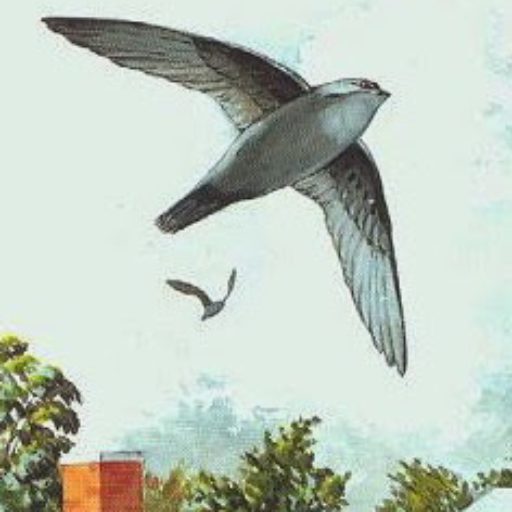
Swifts in flight

Last week marked the beginning of our official monitoring season, and many of us bundled up and strapped down to watch for our feathered friends! It’s been windy… Hopefully not too many hats have been lost. We are now halfway through our official MCSI/NRMP nights. Our first two official monitoring nights were on May 24th and May 28th. The next official monitoring nights are on June 1st and June 5th. A friendly reminder to send in your swift reports and datasheets to mbchimneyswift@gmail.com. While it is fine to wait to send them in later in the season, we appreciate receiving the datasheets soon after each monitoring session so that we can stay on top of organizing the data and updating the blog.

Keep reading for a rundown of what’s been going in the swift world so far. 😊

Reports from Barb and Rob Stewart indicate that nest building is underway in St. Adolphe. Within an hour and a half on May 16th, they were able to observe swifts entering and exiting all five nesting chimneys! In Barb’s words, “Some days are just so much more fun than others at the chimney side…today was one of those glory days”. Well said, Barb!

In St. Francois Xavier, Mike and Michele Tumber are monitoring the church and have reported four entries into the chimney on both May 24th and May 28th, also noting that there is lots of swift activity around overall.

Frank Machovec is monitoring the St Joachim RC Church Site in La Broquerie and observed one entry into each of the two chimneys on May 24th. This number increased on May 28th, with four entries into the ‘large chimney’ and one in the ‘small chimney’.

Selkirk, Lockport and Lower Fort Garry have been busy places for swifts this year, and thankfully we have a great group of folks keeping an eye on things! Thanks to Gerald Machnee, Robert Hempler, Winona Hook, Pattie and Dennis Beatty, Nia Massey, Linda Adie, Fred and Nettie Jensen, Tim Verbiwski, Veronica White, and Joanne Tuckwell. On May 24th at the Selkirk Mental Health Centre, two entries were observed in each of the infirmary chimney, yellow-brick chimney, T04 (powerhouse tower), and T02 (courtyard tower). Robert and Winona observed several entries and exits in the west tower (T01), suggesting nest building. On May 28th, Pattie and Dennis noted three swifts entering T02 (the courtyard tower), Veronica observed one entry into T01, while Nia and Linda observed two entries into the ‘yellow brick chimney’ and two entries into T04 (powerhouse tower). On May 29th, Robert observed a morning entry into the chimney at the infirmary, suggesting nest building. On May 30th, Gerald observed a swift entering the chimney at the apartments in Selkirk. As for Lower Fort Garry, Joanne Tuckwell observed swifts using the chimney in the Fur Loft building and Gerald Machnee observed two swifts enter the Men’s House chimney. Tim Verbiwsk and Gerald Machnee have been keeping an eye on Lockport bridge. While swift activity there has overall been irregular so far this year, Tim did observe two entries on May 11th and one entry on May 26th.

Ken Wainwright and crew are monitoring the sites in Dauphin. Ken had observed around 30 swifts flying overhead on May 23rd while watching a nesting chimney, so was expecting to see large numbers of swifts entering roosting chimneys during the official roost monitoring session on May 24th (the following night). However, only eight swifts were seen at one time on May 24th, indicating that many of the swifts from the previous night may have moved on. All four sites that were monitored on May 24th in Dauphin had entries.

In St Jean Baptiste, Luc Blanchette has been monitoring the church. On May 22nd he observed approximately 13 swifts flying around, with four of them entering the chimney. On May 29th, the number of swifts that entered the chimney increased to ten, out of eleven swifts seen in total!

Marissa and Aynsley have been covering Providence College in Otterburne. On May 24th, a total of four swifts circled the three chimneys around sunset, before one dropped into the chimney near the bell tower, another one dropped into the ‘skinny chimney’ and the remaining two swifts dropped into the ‘large chimney’. On May 28th, Aynsley noted four entries into the ‘large chimney’ and one in the ‘skinny chimney’.

In Winnipeg, our volunteers have been busy at a variety of sites. Donna Milovitch watched the River Manor Apartments on May 24th and May 28th. While she did not see any swifts enter the chimney on the first night, she saw 89 swifts entering the chimney on the 28th. David Wiebe monitored the Assiniboine School and saw two swifts enter the chimney with an additional four swifts flying around. Linda Curtis counted one swift entering the chimney at the Moorgate Apartments. Garry Budyk monitored at Pro Tac Roofing and caught two entries into the chimney. Blaire Barta, who has been monitoring the Behavioural Health Foundation in St. Norbert, did not observe any entries on May 24th but did see one entry on May 28th. Amanda Shave watched the Thunderbird Apartments, which was on our list of priority sites to determine ‘residence’ status. In an exciting turn of events, Amanda observed one swift enter the chimney, confirming that this chimney is being used by swifts!

As we continue our monitoring season, here are some general reminders to keep in mind:

Many of the sites we monitor are potential nest sites. The first 30 minutes of monitoring is considered “daytime”, where we hope to see if the sight is being used to roost, nest or both!

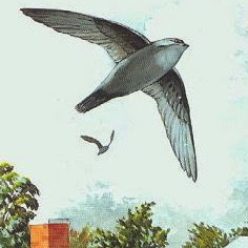
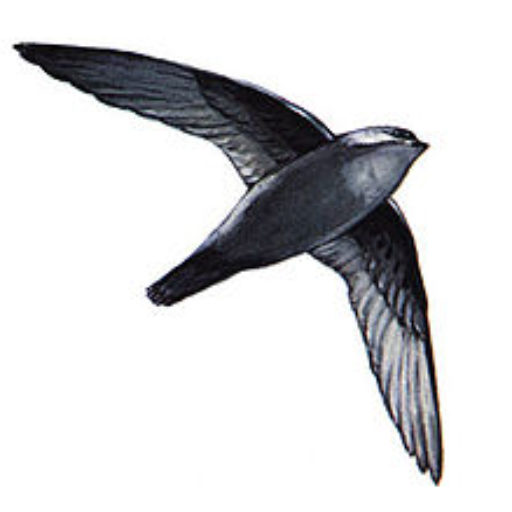
Arrival – Around mid May, swifts begin arriving in Manitoba. The arrival stage is characterized by the first reported sightings of Chimney Swifts in spring. Birds can be identified both by vocalizations and visual sightings. You may be able to hear the distinct chittering or see small cigar-shaped birds in small numbers foraging near known sites.

Chimney Swifts typically enter their sites within ½ hour of sunset (½ hour before to ½ hour after sunset = the roosting hour), for the remainder of the night. They do so by clinging to the rough wall interiors. Sometimes roost entries may occur earlier than the roosting hour, or swifts are in the air and are unaccounted for as it gets darker. Morning departures occur within ½ hour of sunrise (½ hour before to ½ hour after sunrise) in good weather conditions. Poor weather conditions may delay departure.

Behaviour of Chimney Swifts can be variable and interpreting it can be helped by what is going on in the environment. We commonly see roosting entries before the roosting hour on cold and rainy days, or when foraging conditions seem to be good. On days with poor weather conditions, swifts may use chimneys as refuges to wait out bad weather.

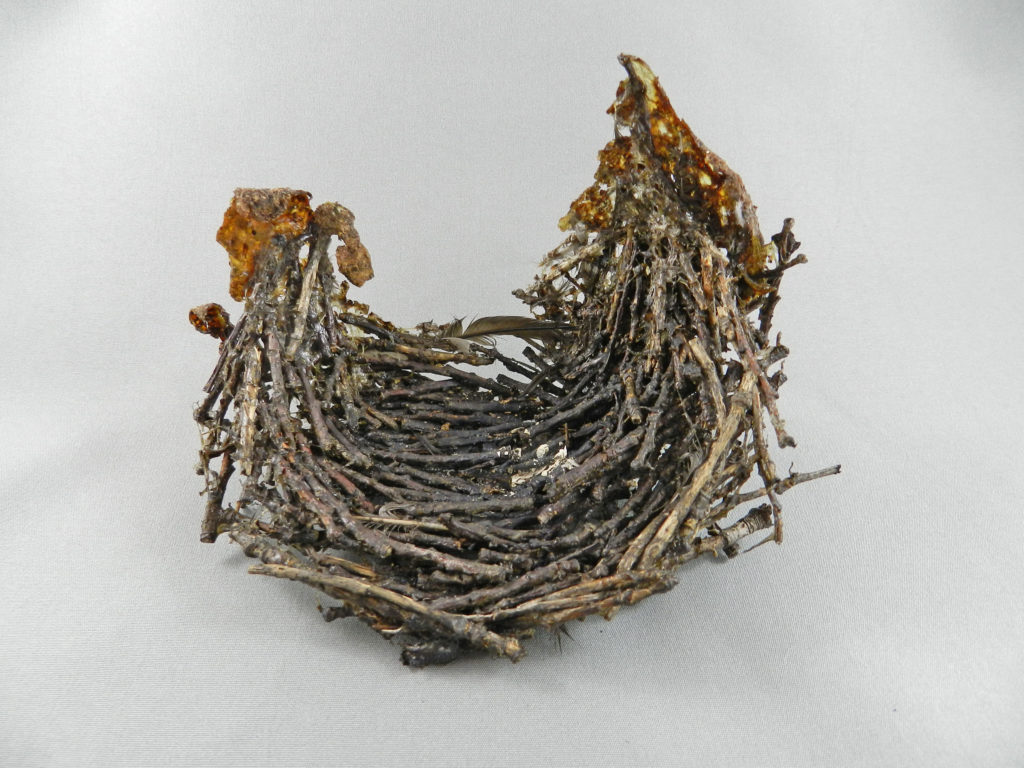
Chimney Swift Nest, St Adolphe MB 2016

Nest Building – Watch for daytime entries and exits! Swifts will be active in the morning, afternoon, and early evening. During late May and early June, breeding pairs will start to gather small twigs from dead trees and glue them to the wall of the chimney with saliva forming a cup-shaped nest. Once the nest is large enough to hold one egg, sticks are added making it larger to hold more eggs. Nest building continues until the end of the incubation period. Once the eggs are hatched, the nest building stops and the adult swifts focus on feeding their young.

While watching your nest site, you may see a breeding pair approach a chimney together and enter one after the other. They may instead approach and only one swift drop in, while the other circles and flies off. On the other hand, single birds may approach and enter the chimney. Single or two consecutive exits may follow a time lag. The two important time intervals (duration-in (entry to exit) and between-visits (exit to entry)) that characterize different stages of nesting are variable during nest building.

Happy swift-watching!

-Aynsley and Marissa

The Swifts Have Arrived! (And other monitoring updates)

As we get into warmer weather, we are beginning to see our little cigar-shaped feathered friends. According to eBird, the first Chimney Swift sightings of 2023 in Manitoba were on May 9th in St. Jean Baptiste (reported by Luc Blanchette) and at Fort Whyte (reported by Marlene Waldron and Ward Christianson). Everyday, we are receiving more sightings of swifts! We have now had sightings in Carman, Dauphin, Selkirk, St. Adolphe, and various areas around Winnipeg such as St. Norbert, Assiniboine Park, Tuxedo, Wolseley, and North Kildonan.

Our official monitoring period begins next week. This year, our MCSI/NRMP monitoring nights are on May 24th, May 28th, June 1st, and June 5th. See our last blog post (https://www.mbchimneyswift.com/spring-has-sprung/) for a detailed run-down of our this year’s updated flexible monitoring approach and a description of the different types of sites we want to monitor.

We are still looking for volunteers to monitor chimneys that are priority for confirming ‘residence’ status as well as chimneys routinely monitored by MCSI, throughout the spring and summer on a schedule that works for you.

We are also looking for volunteers to monitor the following roost sites on NRMP nights:

Providence College (10 College Crescent, Otterburne)
May 24, May 28, June 1, June 5

River Manor Apartments (424 River Ave, Winnipeg)
May 28, June 1

Assiniboine School (175 Winston Rd, Winnipeg)
May 24, May 28

Rufus Prince Building (5000 Crescent Rd W, Portage La Prairie)
May 24, May 28, June 1, June 5

If you are interested in monitoring one of these roost sites, please let us know which site you would like to watch and which NRMP nights you are available. If you would like to monitor a priority site for confirming ‘residence’ status or would like to continue monitoring a site you have monitored in past years, email us at mbchimneyswift@gmail.com.

We deeply appreciate all the time and effort our volunteers dedicate to Chimney Swifts conservation efforts. The MCSI could not do it without all of you!

Finally, please welcome Aynsley Woods, our program assistant! Aynsley spent lots of time monitoring Swifts last summer, while working with the Province of Manitoba’s Wildlife Branch. Aynsley was helping us out part-time this winter and will now be with us full-time. We are lucky to have her on board!

Happy ‘Swift-ing!

  • Marissa and Aynsley

Spring has Sprung!

The swift approach of the 2023 monitoring season!

Hi folks! It’s been a long winter but it’s finally feeling like spring out there! As the emergence of leaves and the blooming of flowers approach, so too does the return of our Chimney Swifts. Based on eBird reports, they are slowly reaching/passing the Canadian border. You can view updates on CHSW movement at the following link: Chimney Swift – Species Map – eBird

We’ve been hard at work on our monitoring plan for the 2023 season, because we will be trying a slightly different approach than in previous years! This year, MCSI monitoring nights will be held on the same evenings as National Roost Monitoring Program (NRMP) nights (a total of four evenings during a two-week period), with the option to monitor on different dates throughout the spring/summer based on the chimney category as well as the volunteer’s availability and desired time commitment (more details below).

Our MCSI/NRMP monitoring nights for 2023 will be on May 24th, May 28th, June 1st, and June 5th.  In case of poor weather, the rain day will be the following day.

Similar to previous years, our monitoring efforts will focus on three categories of chimneys. This includes 1) chimneys that host larger groups of swifts (part of the NRMP), 2) chimneys that are priority for confirming/reaffirming ‘residence’ status, and 3) chimneys that are routinely monitored by MCSI volunteers. Chimneys in category 1 should be monitored on MCSI/NRMP nights, while the chimneys in categories 2 and 3 can be monitored on MCSI/NRMP nights and/or anytime throughout the spring/summer on a schedule that suits the volunteer.

1) NRMP sites

Select chimneys that usually host larger groups of Chimney Swifts (4 or more swifts) are part of the National Roost Monitoring Program (NRMP). These NRMP chimneys only need to be monitored on the four NRMP evenings at the start of the season.

Areas with NRMP chimneys to monitor include:

  • Carman
  • Otterburne
  • Selkirk
  • Souris
  • Portage la Prairie
  • La Broquerie
  • Dauphin
  • St Jean Baptiste
  • Winnipeg – Fort Rouge
  • Winnipeg – St James

2) Chimneys that are priority for confirming ‘residence’ status

Sites are confirmed as ‘residences’ when they have hosted Chimney Swifts at least once in the last 3 years. Based on this criterion, we have gone through our database and compiled a list of sites that are high priority for monitoring this year. By confirming use of these chimneys by swifts, the structures can be protected as Chimney Swift habitat into the future. These chimneys can be monitored on NRMP/MCSI nights as well as anytime throughout the spring/summer.

Areas with priority chimneys to monitor include:

  • The Pas
  • Manitou
  • Morden
  • Selkirk
  • Winnipeg – City Centre
  • Winnipeg – Elmwood
  • Winnipeg – Fort Garry
  • Winnipeg – Fort Rouge
  • Winnipeg – North End
  • Winnipeg – North Kildonan
  • Winnipeg – River Heights
  • Winnipeg – St Boniface
  • Winnipeg – St James
  • Winnipeg – St. Vital
  • Winnipeg – West End

3) Chimneys routinely monitored by MCSI

Many chimneys that are typically used as nesting habitat by swifts have been monitored annually by MCSI volunteers. Monitoring these chimneys allows us to maintain the MCSI database and continue to gather data on where, when, and how chimneys are being used by swifts around Manitoba. These chimneys can be monitored on NRMP/MCSI nights as well as anytime throughout the spring/summer. These chimneys are not as high priority to monitor as the chimneys in category 2.

We realize that weekly MCSI monitoring in addition to NRMP nights is a big time commitment, so we hope that this approach will make monitoring more sustainable for our volunteers and will allow for flexible monitoring commitments throughout the season. During the remainder of the spring/summer, volunteers can continue to monitor on the schedule and frequency that works for them. This monitoring could include regular monitoring at a specific site and /or ‘special assignments’, such as one-time visits to chimneys that are a priority for confirming ‘residence’ status. Throughout the season, we will use the blog to update this list of chimneys that need ‘residence’ confirmation so that volunteers can be made aware, in real time, of which sites have been checked off our priority list and which sites still need confirmed use by swifts. Volunteers can move around and make the most of their time to confirm the most sites. Almost like a treasure hunt of sorts! A treasure hunt where the prize at the end is protecting important habitat for Chimney Swifts.

If you are looking for a chimney to monitor in your neighbourhood or are willing to travel to a site, send an email to myself (Marissa) at mbchimneyswift@gmail.com.  We have more chimneys than monitors each year, and we’d love to have you join our effort to help the Chimney Swift.

Monitors from previous years – please confirm that you will be participating in the 2023 program and if you’d like to keep monitoring the same site(s) as last year or if you would like a different site. I would be more than happy to discuss with you what the most suitable sites would be based on your location, availability, and our monitoring priorities.

NRMP nights and the MCSI nights use the same monitoring protocol and data sheet. We ask that volunteers watch their site starting 60 minutes before sunset until 30 minutes after sunset (90 minutes total). In that time volunteers record numbers of swifts seen in the air, as well as the time and number of swifts that enter and exit the chimney.

The Manitoba Chimney Swift Initiative has made available on-line survey forms and protocols for the 2023 monitoring season:


VOLUNTEER RESOURCES are posted on our MCSI website at: http://www.mbchimneyswift.ca/resources.html . There are links to video clips, research/general interest articles, and the all-important “Dashboard Placard” which identifies you as an MCSI volunteer.

— Marissa Berard

Winter Solstice Update

Winter is here! (perhaps you noticed…)

Winter has certainly arrived, and today marks the winter solstice. While the winter solstice means that today is the shortest day and longest night of the year, it also represents a hopeful inflection point. The days will now begin to get longer, and before we know it, the birds will begin to make their way back.

With that comforting thought in mind, here are a few swift-related happenings, updates, and newsflashes.

-Barb Stewart, one of our many incredible volunteers, has put together a summary of what happened at the different nest sites in St. Adolphe this past breeding season. You can read it here: Chimney Swift Nest Outcomes in St. Adolphe 2022.

-Interested in learning more about how the use of artificial nesting structures by Chimney Swifts in Manitoba? A fantastic article written by Tim Poole was recently published in the Blue Jay, and details the use of replacement structures at Old Grace Hospital and at the Selkirk Mental Health Centre. The article also delves into how the timing of when these structures are put up can affect how they are used by Swifts. 

You can read Tim’s article (“Possible Effects of Placement Timing on the Use of Replacement Habitat by Chimney Swifts in Manitoba”) in our “Resources and Links” area at this link.

-It is never too late in the summer to find Chimney Swifts. On August 24th, after receiving a tip from John Weier, Frank Machovec followed up on some sightings at the Canadian Mennonite University (CMU) to try determine what the swifts were up to. The previous week he had watched a very handsome chimney on site but saw no birds entering it. Later, he returned to watch a large round chimney with a round metallic flue showing above. Frank had assumed this huge chimney was capped but gave it a go anyway. Frank reported:

“After no activity for about half an hour, I had an entry by a single CHSW. A bit later there was frantic duo flying very low (and I mean VERY low) around the chimney. Because of nearby trees and the building, I had trouble maintaining visuals on the birds. I witnessed five apparent entries, but I suspect I missed some low exits to the north.”

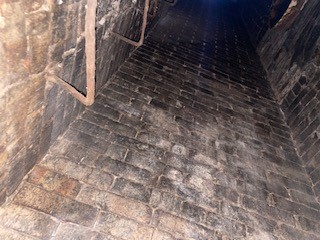
Inside the CMU chimney (photo by John Weier)

A new site had been found. Frank shared the information with John Weier, who has some personal connections at CMU. John connected with the building management and managed to get access to the chimney. This was a fascinating chimney. It has a stainless-steel liner at the top. However, when John was able to crawl inside in the fall, he found a spacious interior with brick wall at least up to 25 feet from the ground. At this point it changed to a metal liner for the upper half. The metal liner was about a foot in diameter whereas the chimney at the base was about one metre square.

This was a great find and will be an intriguing site to watch in summer 2023.

-Last but not least, we want to extend another massive THANK YOU to our incredible volunteers. Your time, energy and enthusiasm are incredibly appreciated. We absolutely could not have achieved this successful monitoring season without you. Stay tuned for a summary of the monitoring results in the new year (and please send in any remaining datasheets if you haven’t already).

Happy holidays!

–Marissa

Say Hello to Marissa Berard

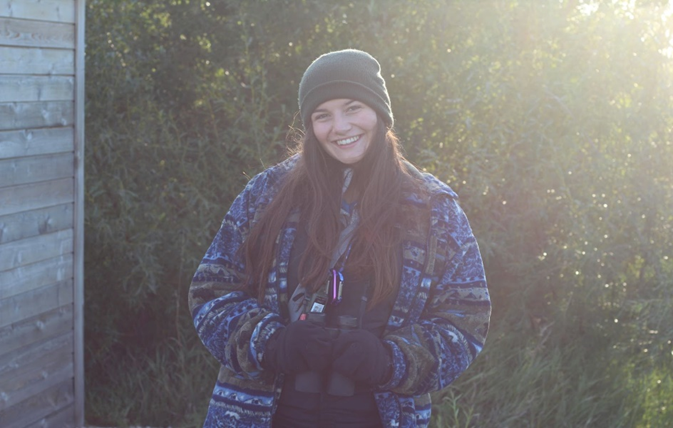
Hello! My name is Marissa Berard (she/her), and I am so excited to get started as the new coordinator for the Manitoba Chimney Swift Initiative (MCSI). This program is so important, and I look forward to getting to know all the incredible, dedicated volunteers that allow this program to exist. 

I have had the opportunity to work closely with Chimney Swifts during my time in the Resource Conservation department at Riding Mountain National Park, where I helped coordinate and conduct Chimney Swift and other species at risk monitoring and outreach within the park. I have spent many hours sitting outside the Visitor Centre in Wasagaming, staring at the chimneys and getting puzzled looks from tourists walking by. I can only imagine what thoughts might be crossing their mind… What is that person doing sitting in a lawn chair, staring excitedly at a building? Can she even see anything with all the mosquitoes surrounding her head? I am sure many of you can relate to braving the bugs and the confused bystanders, to look for our Swift friends.

Our new coordinator

While I certainly love Chimney Swifts, there are other birds that also hold a special place in my heart. While working on my honours thesis with Dr. Gail Davoren at the University of Manitoba, I was fortunate to spend two summers in Newfoundland and help out with a variety of seabird research, including with puffins, razorbills and common murres. I love to volunteer at Delta Marsh Bird Observatory, which has really opened my eyes to the variety of beautiful plumages in the bird world, from sparrows to flycatchers to warblers. That being said, my favourite bird of all-time (though my family and friends would argue that I have several of these), remains the black-capped chickadee. Though a common occurrence, I love the chickadee’s lively heartiness and deeply appreciate their perpetual presence on my cross-country ski outings during our long Manitoba winters, even on the coldest of days. 

A few other non-bird related things about me… In my spare time I love to cross-country ski, do beadwork, play instruments and watch live music. My first language is French, and I am a proud Red River Métis with family ties to Saint-Boniface, Saint-Vital, and several other communities surrounding what is now Winnipeg.

I will be starting in the coordinator role part-time as I transition from Riding Mountain back to Winnipeg, and will start full-time in October. I thank you all for your patience as I get into the swing of things.

Cheers,

  • Marissa

End of August

END OF AUGUST – START OF SEPTEMBER BLOG: THE END OF OUR CHIMNEY SWIFT SEASON IS THE START OF NEW BEGINNINGS

The end of the 2022 Chimney Swift monitoring season in Manitoba has arrived. MCSI sends out a BIG shoutout of thanks to everyone who participated in various activities this year. Citizen scientists form the all-important base which we build upon. Your monitoring data informs us about roosting activities and breeding behaviour. You help us identify Chimney Swift habitat, so that protection and restoration can take place. By alerting us to emergency situations, we can respond with appropriate rescue action (that duck falling through a nest site will be a memorable highlight for years to come!).

Good news landed this week from Gerald and Jo who were tracking the Men’s House nest site at Lower Fort Garry. Bundling all of their monitoring reports together gives us the indication that fledglings are on the wing! As usual, there were head scratching moments to figure out. Lucky for us that a cleanout trap at the Men’s House chimney should hold the secrets to verify the breeding outcome in this last-to-fledge site.

Chimney Swift shenanigans appear to be experienced by many of us (dare I say universally?). In her Aug. 23rd report, Winnie Wake recounts a “turnaround analysis” for one of the London, ON, nest sites. Tim, you’re not the only person to have a forehead cleft from dealing with these birds! Here’s what Winnie wrote:

“FSA-SE is a particularly happy surprise. Considered done-for-the-season as a nest chimney a few weeks ago, it has come back to life, with a second nesting attempt! On Aug 16, the report of 7 paired in/outs in 40 mins was interpreted as neighbouring young swifts practising chimney entries. Extra visits (Aug 18, 19 & 20), deeper digging, and photos by Glenn Berry revealed otherwise. Seems that frenzy of ins and outs was carried out by strong fliers and coincided with a very high density of insects flying low around FSA. Parent swifts (photos showed jagged wing edges and bulging throats) were right on the job, grabbing food out of the air and shuttling it into the chimney at top speed. On Aug 23, at least one food delivery was noted and 2 more were observed the next morning. Yet, somehow the wily parents at FSA-SE eluded being counted as in-for-the-night on Aug 23 (perhaps not surprising since their second nest evaded detection during the entire incubation stage!).”

Lastly, but far from least, it is time to extend a warm and hearty greeting to Marissa Berard, our new MCSI Coordinator! Tanshi! Bienvenue! Bienvenidas!

You may have noticed that the MCSI auto-reply to emails changed recently. Marissa will be working 1 day a week now during her transition to fulltime status in early October. After the long weekend, Marissa will reach out and introduce herself to you all.

Thanks again for making the 2022 season such a success. We all look forward to working with Marissa to plan for 2023 – see you at the chimney sites next spring!

  • Barb, for the MCSI Steering Committee.

Going, going, gone?

AUGUST 24: Going, Going…have your Chimney Swifts gone?

End of story
Could this really be the end?

Today’s blog offers a friendly reminder to head out to the chimney sides tonight, a quick summary of recent trends at nest and roost sites, and several info bits on interesting bird research and reconnaissance.

Today is a Wednesday MCSI Swift Watch Day and you may note a big change at your roost or nest site. Maybe you will see no Chimney Swifts. Sigh. Remember, those valid zero counts – the zip, Nada, nothing to see here folks’ moments – are as important to harvest at the end of the season as they are at the beginning. Departure and arrival dates are all based on seeing no swifts.

Our Manitoba Chimney Swifts are in transition. Most nest sites are now unused during the day after fledglings burst out. However, a few late starting breeders are still feeding non-brooded young (e.g., the Men’s House at Lower Fort Garry where fledging is being tracked by Gerald and Jo). Some roost sites have dramatically dwindled in numbers (e.g., first noted by the Dauphin monitoring crew of Ken, Jan, Pat & Marilyn). I am chasing the St Adolphe flock to find a pre-migratory roost. Many other people in many other locations are continuing the swift quest missions. Thanks for all your efforts!

There is much to do to wrap up the season and it’s not always fun monitoring. Seeing nothing at the season’s end is bittersweet. You don’t want the birds to be caught short if bugs disappear before the last fledglings emerge and after other Chimney Swifts move further south. BUT there is always the pleasure of seeing a swift just one more time…

Moving along to birdy news from afar, there have been interesting issues reported in the media:

Sound experiments capture ‘pernicious’ impact of noise pollution on wildlife https://www.cbc.ca/news/science/what-on-earth-noise-pollution-1.6555253

Even our urban adapted Chimney Swifts have tolerance limits to noise. We have found that the birds are sensitive to loud, random “jackhammering” noises and will avoid using their nest sites during times of noisy nearby construction.

So many birds are in the sky at Ontario’s Long Point right now, they’re showing up on radar https://www.cbc.ca/news/canada/london/roost-ring-long-point-birds-1.6558586

Our Manitoba Chimney Swifts are on the move but not in the numbers that would create “roost rings” (in our dreams!).

Tim has flown over some intriguing information about tracking movements of tagged Chimney Swifts:

MOTUS is an automated radio telemetry tech now being established across North America and established by Birds Canada. Put simply, a network of receiving towers has been set up across the continent (including about 14 in MB) and these receive signals from a radio transmitter deployed on a bird which records the approximate location (usually within 20-30 km of the tower). It does not give fine-scale habitat info but it does tell us where birds migrate. More info at https://motus.org/about/

 A receiving tower was recently established at the Ellice-Archie Community Pasture in early July – the feds are monitoring Bank Swallows and grassland SAR. It turns out that a CHSW tag was pinged at the MOTUS Tower on Ellice-Archie on July 24th. I guess there’s always a chance there’s a tech mishap but the following is potentially fascinating. The tag was deployed on a swift in Beloeil, QC, near Montreal, on May 19th. The last detection in QC was at another receiver near Montreal on June 11th. The bird was not detected again until it turned up in western MB on July 24th! It was only pinged once here and then it disappeared again before being detected at a tower south of Tampa on August 11th. This is all publicly available info so thought you would all be interested in hearing about the amazing swift journey.

The details of bird detections are at https://motus.org/data/tagDeploymentDetections?id=38341.

Check out the project page for MOTUS tracking of Chimney Swifts: https://motus.org/data/project?id=195

The general description of the data can be found at: https://motus.org/wp-content/uploads/2016/01/MotusCollaborationPolicy.January2016.pdf .

That’s a wrap for this week. Send your monitoring reports along as we track the final phase of the 2022 season! Things will likely wrap up at most sites by August 31-September 7 (unless our keen-eyed Selkirk Birders spy swifts later in the season again this year).

  • Happy Swifting, Barb.

WINGS ARE BEING SPREAD

AUGUST 17: WINGS ARE BEING SPREAD…UP, UP, AND AWAY!

This is a very short blog to cover some important ground and airspace…here are the three news items for today:

First, we are flying a BIG shoutout of appreciation to Ariel who finishes her work term with MCSI today! Ariel has been with us for two summer seasons and ably assisted in a variety of work that is essential to keeping our programs running so smoothly. Thanks, Ariel, for being part of our team!

Second, our Manitoba Chimney Swifts have hit an inflection point for end of season activity. Big changes have been observed. Roost sites have reduced numbers e.g., in Dauphin, other more southerly nest sites have emptied post-fledging, and the late fledging sites e.g., SE Club Amical site which had fledglings launch on Sat. Aug. 13th, were unused during the day today (some roosting activity may continue for a short time yet). So, we are on the home stretch for the ’22 Chimney Swift season.

Third, it’s Wednesday and that means it’s an MCSI Swift Watch Day. Enjoy some of the last encounters with our birds before migration takes place. Keep your monitoring observations flying in and we’ll be sure to let you know when those birds fly out of our Manitoba skies!

  • Barb, for the MCSI Steering Committee.